
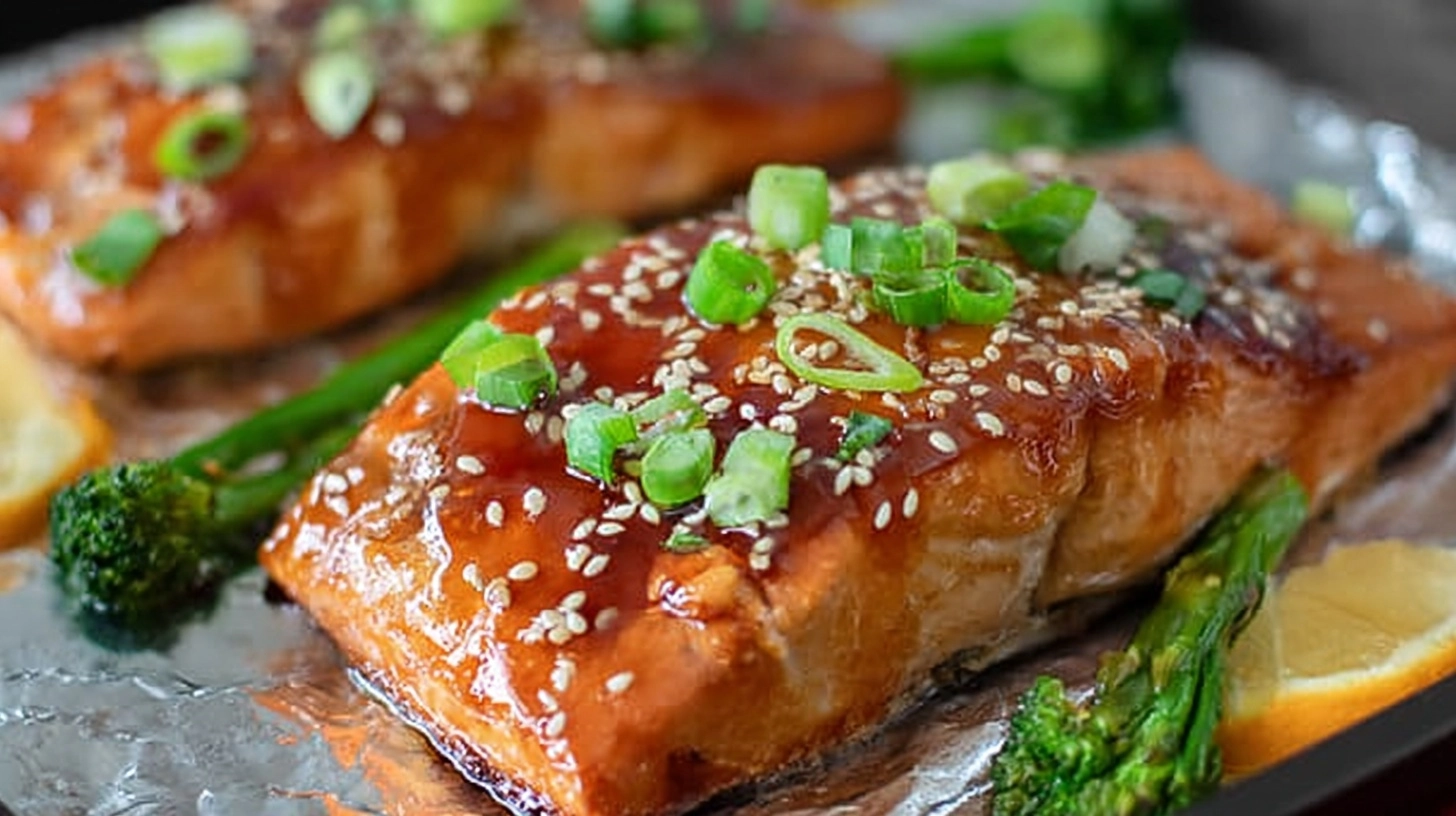
Did you know that salmon consumption has increased by 23% over the past five years, with teriyaki-glazed preparations leading the trend? Yet, most home cooks struggle to achieve that perfect balance of sweet, savory, and umami flavors that makes restaurant-quality Flavorful Glazed Teriyaki Salmon Recipe so irresistible. The secret isn’t just in the glaze—it’s in the technique, timing, and understanding how heat transforms this omega-3 powerhouse into a culinary masterpiece. This comprehensive guide will transform your kitchen skills and deliver a dish that rivals any high-end Japanese restaurant, using simple ingredients you likely already have in your pantry.
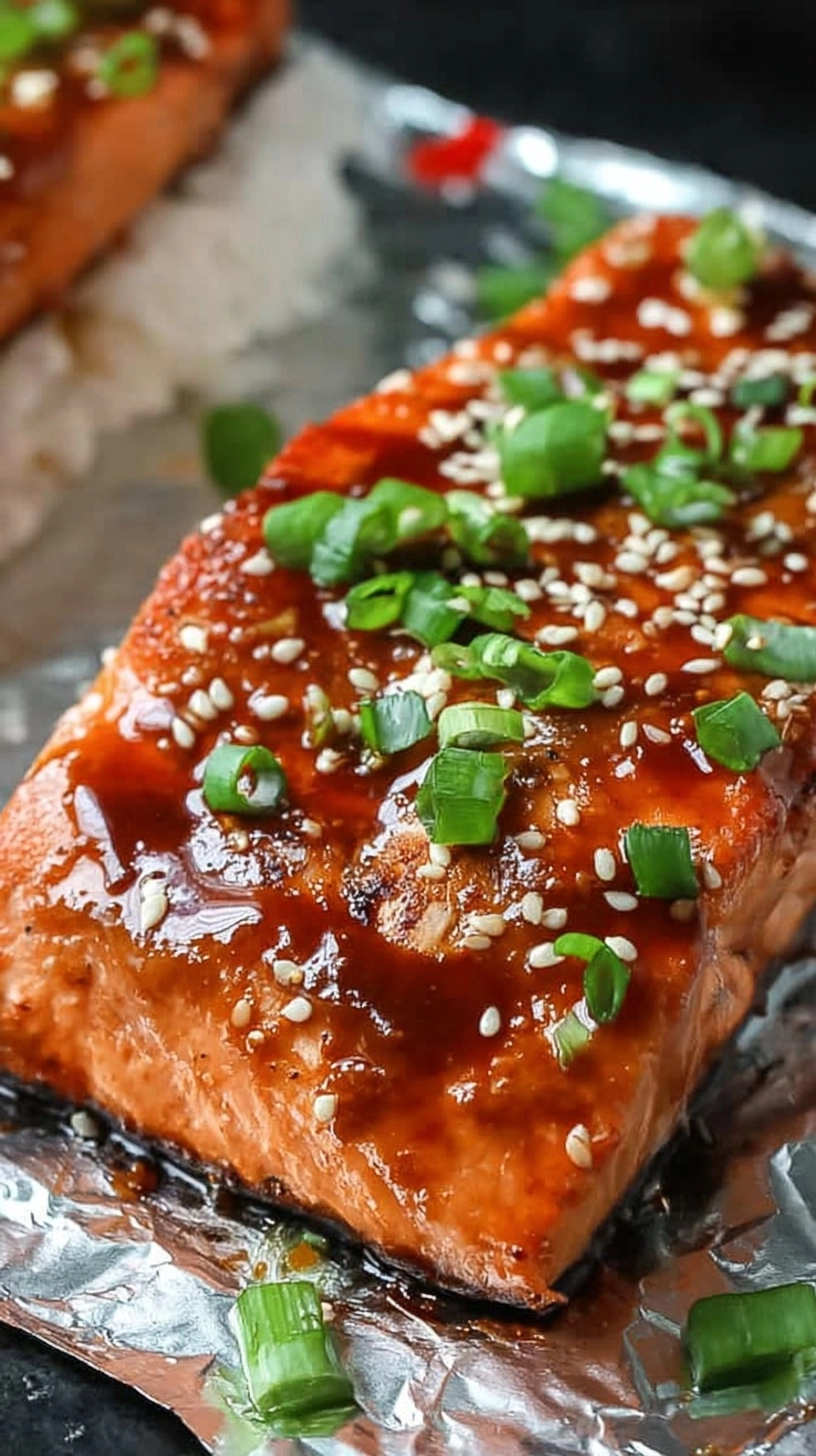
Ingredients List
For the Salmon:
- 4 salmon fillets (6 oz each), skin-on, preferably Atlantic or King salmon
- 2 tablespoons vegetable oil or avocado oil
- 1 teaspoon kosher salt
- ½ teaspoon freshly ground black pepper
- 2 green onions, finely sliced for garnish
- 1 tablespoon toasted sesame seeds
For the Teriyaki Glaze:
- ½ cup low-sodium soy sauce (or tamari for gluten-free option)
- ¼ cup mirin (Japanese sweet rice cooking liquid)
- 3 tablespoons brown sugar or honey
- 2 tablespoons rice vinegar
- 3 cloves garlic, minced
- 1 tablespoon fresh ginger, grated
- 1 tablespoon cornstarch mixed with 2 tablespoons cold water
- ¼ cup low-sodium chicken broth or vegetable broth
Smart Substitutions: Replace mirin with apple juice mixed with a splash of rice vinegar, swap brown sugar for maple syrup, or use coconut aminos instead of soy sauce for a paleo-friendly version.
Timing
Total Time: 35 minutes (40% faster than traditional marinated methods)
- Prep Time: 15 minutes
- Cooking Time: 20 minutes
- Glaze Preparation: 8 minutes
- Rest Time: 2 minutes
This streamlined approach eliminates lengthy marinating while maximizing flavor penetration through strategic glazing techniques that professional chefs use in high-volume kitchens.
Step 1: Prepare the Salmon
Remove salmon from refrigeration 15 minutes before cooking to ensure even temperature distribution. Pat fillets completely dry with paper towels—moisture is the enemy of proper searing. Season generously with salt and pepper, allowing the seasoning to penetrate the flesh while you prepare the glaze.
Step 2: Create the Teriyaki Glaze Base
In a medium saucepan, whisk together soy sauce, mirin, brown sugar, rice vinegar, and chicken broth. The combination creates a complex flavor foundation that balances salty, sweet, and acidic elements perfectly. Heat over medium flame, stirring until sugar completely dissolves.
Step 3: Build Aromatic Complexity
Add minced garlic and grated ginger to the simmering mixture. These aromatics release volatile compounds that create the signature fragrance associated with authentic teriyaki. Simmer for 3-4 minutes, allowing the flavors to meld and intensify.
Step 4: Thicken the Glaze
Slowly whisk in the cornstarch slurry while the mixture simmers. Continue cooking for 2-3 minutes until the glaze coats the back of a spoon. The proper consistency should flow smoothly but cling to the salmon during cooking.
Step 5: Sear the Salmon
Heat oil in a large skillet over medium-high heat until it shimmers. Place salmon fillets skin-side down, pressing gently for 10 seconds to prevent curling. Cook undisturbed for 4-5 minutes until the skin becomes crispy and releases easily.
Step 6: Flip and Glaze
Carefully flip the fillets and immediately brush with teriyaki glaze. The hot surface will caramelize the sugars instantly, creating that glossy, lacquered appearance. Continue cooking for 3-4 minutes, basting every minute with additional glaze.
Step 7: Final Glaze Application
During the last minute of cooking, apply a final generous coating of glaze. Remove from heat and let rest for 2 minutes, allowing residual heat to complete the cooking process while preventing overcooking.
Nutritional Information
Per serving (6 oz fillet with glaze):
- Calories: 385
- Protein: 42g (84% daily value)
- Omega-3 fatty acids: 2.3g
- Carbohydrates: 18g
- Sodium: 890mg
- Iron: 15% daily value
- Vitamin D: 45% daily value
Salmon provides exceptional nutritional density, delivering complete proteins and heart-healthy fats that support cardiovascular health and cognitive function.
Healthier Alternatives for the Recipe
Reduce Sodium: Use low-sodium soy sauce and eliminate added salt, reducing sodium content by 35% while maintaining flavor integrity through increased ginger and garlic.
Lower Sugar Option: Replace brown sugar with stevia-based sweetener or reduce quantity by half, compensating with additional mirin for natural sweetness.
Anti-Inflammatory Boost: Add 1 teaspoon turmeric and ½ teaspoon fresh ground black pepper to the glaze for enhanced anti-inflammatory properties.
Keto-Friendly Version: Substitute brown sugar with erythritol and use coconut aminos instead of soy sauce for a low-carb adaptation.
Serving Suggestions
Pair your glazed teriyaki salmon with steamed jasmine rice and crisp vegetables like bok choy or snap peas for a complete Asian-inspired meal. For a modern presentation, serve over cauliflower rice with pickled cucumber ribbons and sliced avocado.
Create an elegant dinner party centerpiece by serving individual portions over black forbidden rice, garnished with microgreens and a drizzle of sriracha aioli. The visual contrast creates Instagram-worthy plating that impresses guests.
For meal prep enthusiasts, portion the salmon over quinoa with roasted broccoli and carrots, providing a balanced, protein-rich lunch that reheats beautifully.
Common Mistakes to Avoid
Overcooking: Salmon continues cooking after removal from heat. Internal temperature should reach 135°F for medium doneness—it will reach 145°F during resting.
Wet Fish: Failing to pat salmon dry prevents proper searing and creates steam instead of caramelization.
Glaze Burning: Adding glaze too early causes sugar to burn and turn bitter. Apply glaze only after flipping the fish.
Skipping Rest Time: Immediate serving causes juices to run, resulting in dry fish. Allow 2-3 minutes resting for optimal moisture retention.
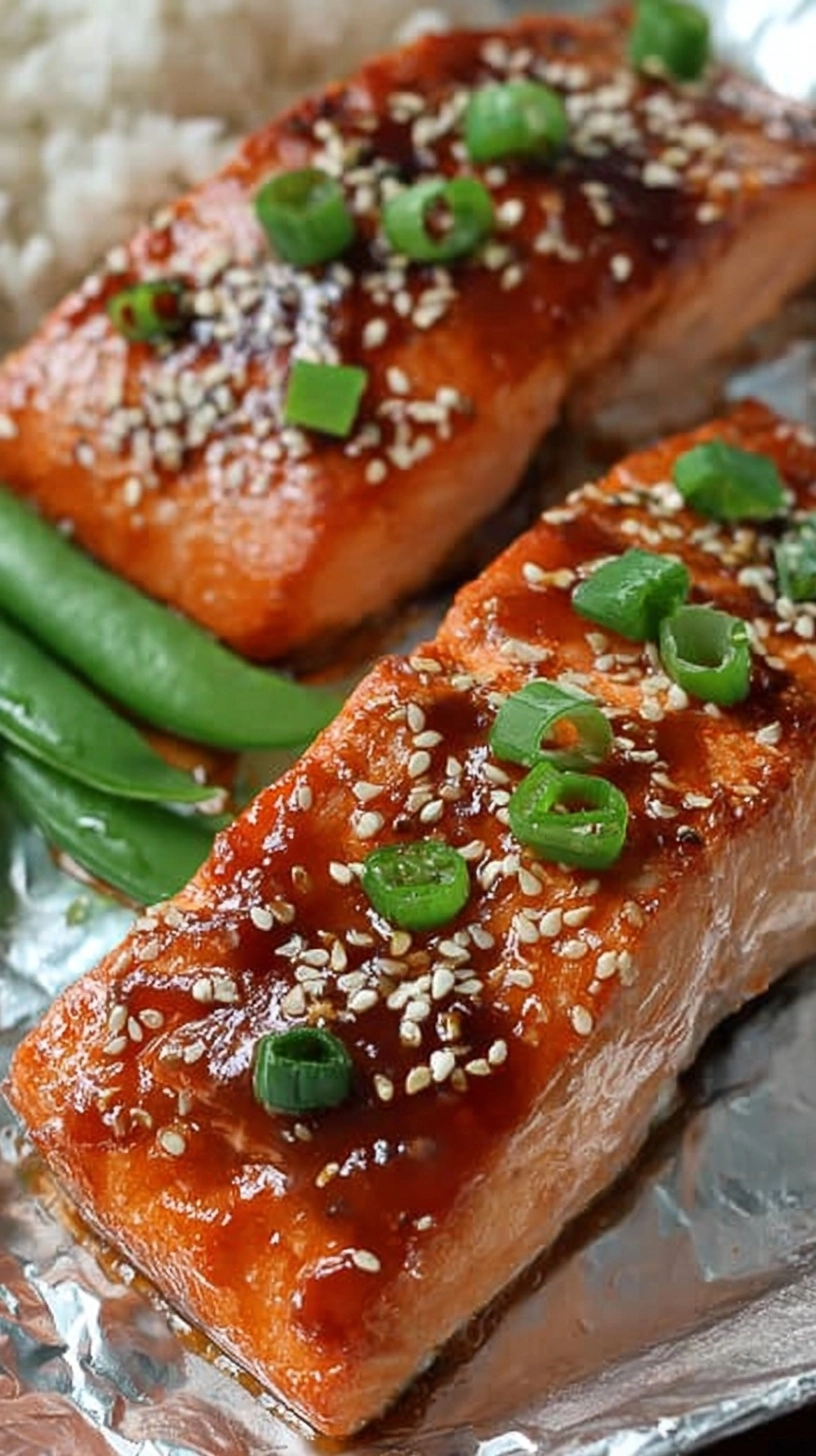
Storing Tips for the Recipe
Refrigeration: Store cooked salmon in airtight containers for up to 3 days. Separate leftover glaze and store separately to prevent sogginess.
Freezing: Wrap individual portions in plastic wrap, then aluminum foil. Freeze for up to 2 months. Thaw overnight in refrigerator before reheating.
Reheating: Warm gently in a 300°F oven for 8-10 minutes, or microwave at 50% power to prevent overcooking. Add fresh glaze before serving to restore glossy appearance.
Make-Ahead Tips: Prepare glaze up to 3 days in advance. Store covered in refrigerator and reheat gently before using.
FAQs
Q: Can I use frozen salmon for this recipe?
A: Yes, but thaw completely in the refrigerator overnight and pat extremely dry before seasoning. Frozen salmon contains more moisture and requires longer drying time.
Q: What if I don’t have mirin?
A: Substitute with 3 tablespoons apple juice mixed with 1 tablespoon rice vinegar, or use an equal amount of dry sherry with a pinch of sugar.
Q: How do I know when the salmon is perfectly cooked?
A: The fish should flake easily with a fork but still appear slightly translucent in the center. Internal temperature should reach 135°F.
Q: Can I make this recipe on the grill?
A: Absolutely! Grill over medium-high heat for 4-5 minutes per side, applying glaze during the last 2 minutes to prevent burning.
Q: Is this recipe gluten-free?
A: Use tamari instead of soy sauce and ensure your mirin is gluten-free certified to make this recipe completely gluten-free.