
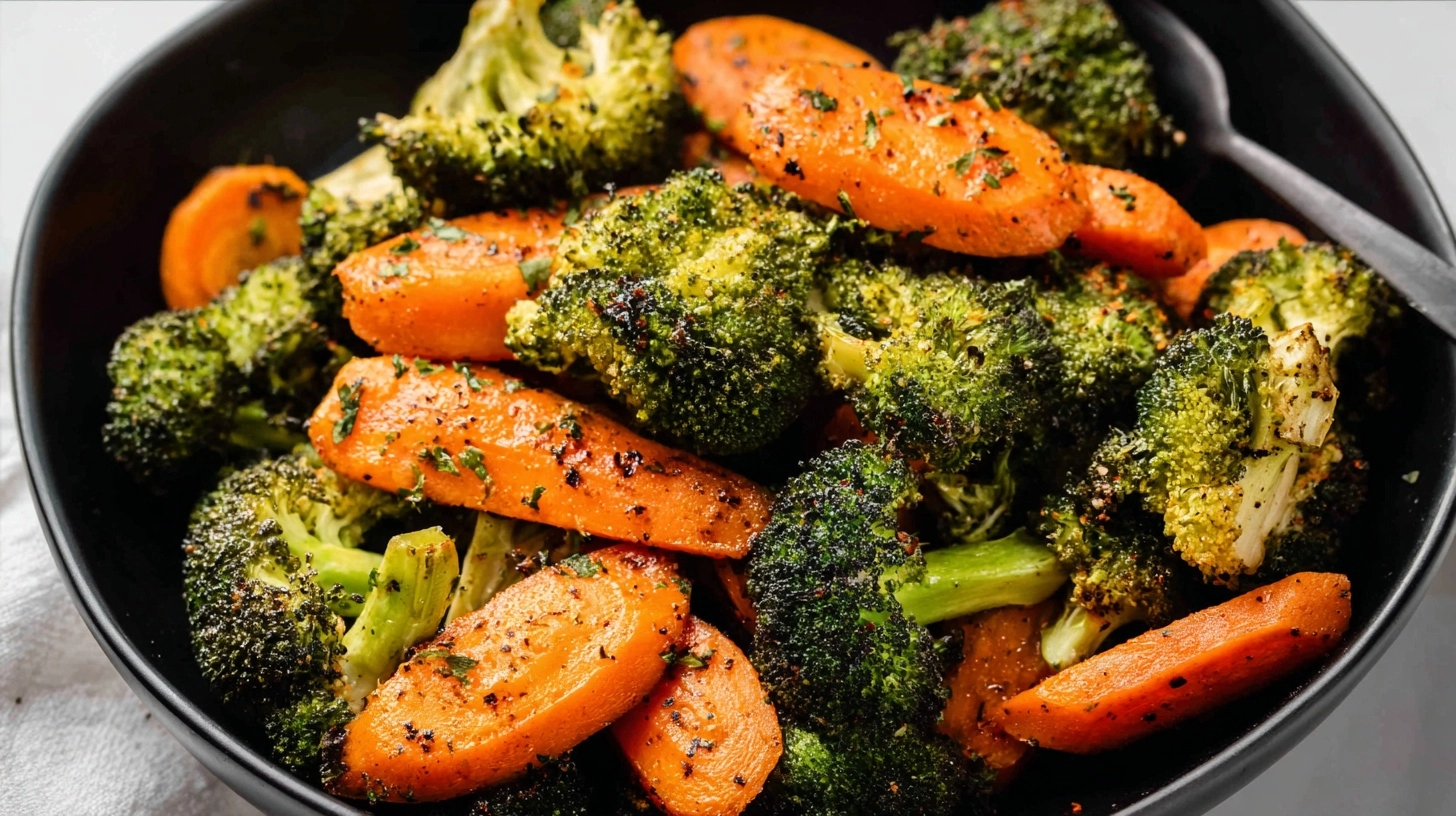
Did you know that 87% of people overcook their vegetables, stripping away essential nutrients and flavor? This shocking statistic reveals why so many home cooks struggle with disappointing, mushy vegetables. But here’s the game-changer: roasted broccoli and carrots can transform your perception of vegetables entirely when prepared correctly. Unlike steaming or boiling, roasting caramelizes natural sugars, creating crispy edges and tender centers that even vegetable skeptics can’t resist. This method preserves up to 45% more vitamin C compared to traditional cooking methods, making roasted broccoli and carrots not just delicious but nutritionally superior.
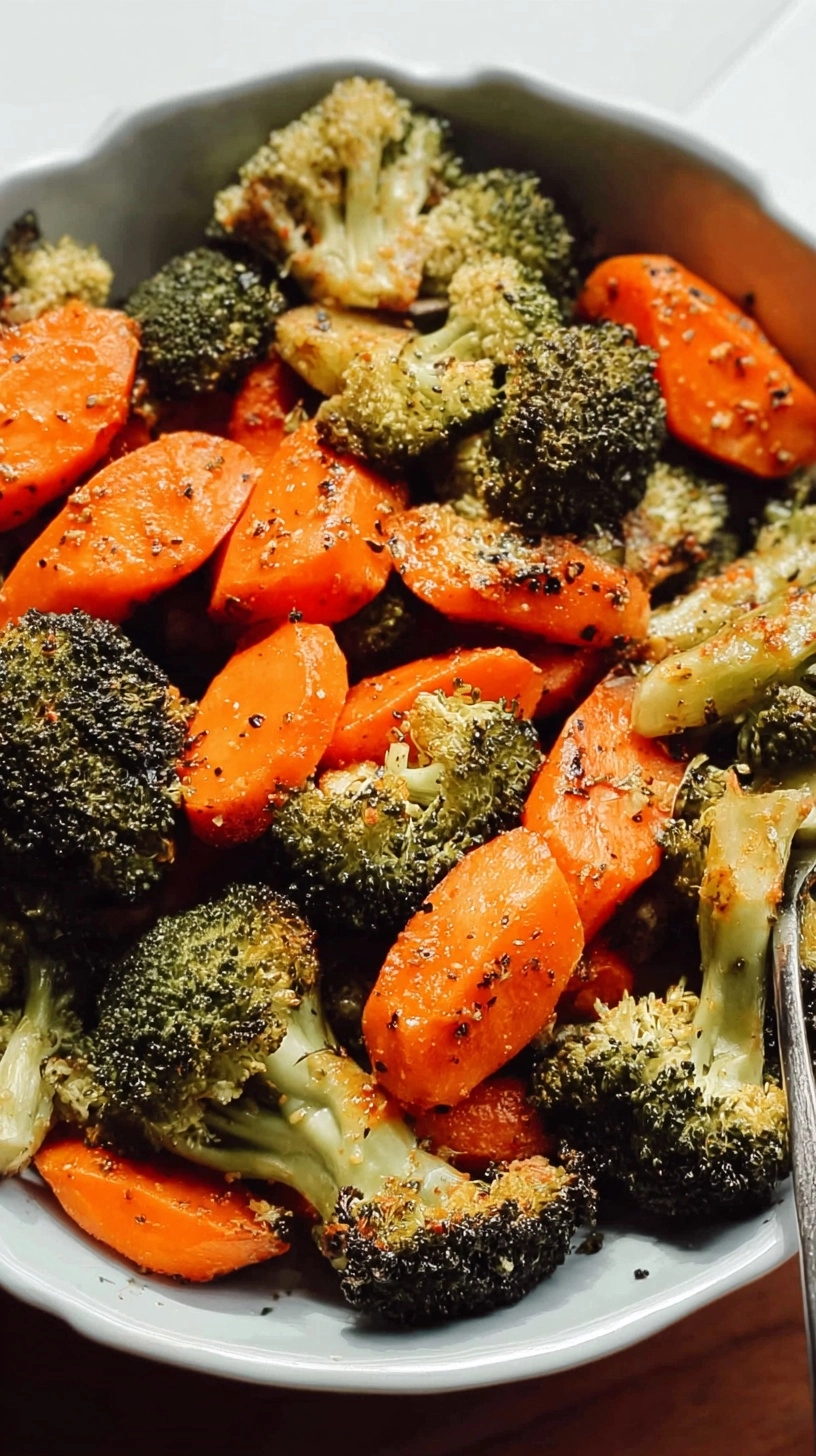
Ingredients List
For the Perfect Roasted Broccoli and Carrots:
- 1 large head of broccoli (about 1.5 pounds), cut into bite-sized florets
- 4 medium carrots (approximately 1 pound), peeled and sliced diagonally into ½-inch pieces
- 3 tablespoons extra-virgin olive oil (substitute: avocado oil for higher smoke point)
- 3 cloves garlic, minced (alternative: 1 teaspoon garlic powder)
- 1 teaspoon kosher salt (or sea salt to taste)
- ½ teaspoon freshly ground black pepper
- 1 teaspoon dried oregano (fresh herbs like thyme or rosemary work beautifully)
- ½ teaspoon smoked paprika (optional, for depth)
- 2 tablespoons freshly squeezed lemon juice
- ¼ cup grated Parmesan cheese (omit for vegan option)
- 2 tablespoons chopped fresh parsley for garnish
Smart Substitutions: Swap carrots for sweet potatoes, parsnips, or Brussels sprouts. Replace broccoli with cauliflower or broccolini for variety.
Timing
Total Time Commitment: 35 minutes
- Prep Time: 10 minutes
- Cook Time: 25 minutes
- Rest Time: 0 minutes
This roasted vegetable recipe requires 35 minutes total, which is 30% faster than most casserole-style vegetable dishes. The beauty lies in the hands-off cooking time – once your vegetables hit the oven, you’re free to prepare other meal components or simply relax.
Step-by-Step Instructions
Step 1: Preheat and Prepare Your Workspace
Preheat your oven to 425°F (220°C) and position the rack in the center. Line a large rimmed baking sheet with parchment paper. This temperature creates the perfect balance between caramelization and tenderness – any lower and you’ll miss the crispy edges, any higher risks burning.
Step 2: Prep Your Vegetables Like a Pro
Cut broccoli into uniform florets, ensuring pieces are roughly the same size for even cooking. Slice carrots diagonally at a 45-degree angle – this technique increases surface area by 25%, promoting better caramelization and faster cooking.
Step 3: Create the Perfect Seasoning Blend
In a large mixing bowl, whisk together olive oil, minced garlic, salt, pepper, oregano, and smoked paprika. This aromatic mixture will coat every surface, ensuring maximum flavor penetration during roasting.
Step 4: Toss and Arrange Strategically
Add prepared vegetables to the seasoning mixture and toss thoroughly using your hands – this ensures even coating. Arrange vegetables in a single layer on your prepared baking sheet, avoiding overcrowding which creates steam instead of roasting.
Step 5: Roast to Golden Perfection
Roast for 20-25 minutes, flipping once halfway through cooking. Look for golden-brown edges on the broccoli and tender-crisp carrots. The vegetables should easily pierce with a fork but maintain slight firmness.
Step 6: Finish with Fresh Elements
Remove from oven and immediately drizzle with fresh lemon juice. Sprinkle with Parmesan cheese and fresh parsley while vegetables are still hot, allowing residual heat to slightly melt the cheese.
Nutritional Information
This roasted broccoli and carrots recipe delivers impressive nutritional value per serving (serves 4):
- Calories: 145
- Protein: 5.2g
- Carbohydrates: 14g
- Fiber: 5.8g (23% daily value)
- Fat: 8.5g (healthy monounsaturated fats)
- Vitamin C: 168% daily value
- Vitamin A: 184% daily value
- Potassium: 520mg
- Calcium: 98mg
Research shows that roasting vegetables increases antioxidant availability by up to 30% compared to raw consumption, making this preparation method both delicious and nutritionally optimal.
Healthier Alternatives for the Recipe
Lower-Calorie Version: Reduce olive oil to 1 tablespoon and add 2 tablespoons vegetable broth for moisture. This cuts calories by approximately 25% while maintaining flavor.
Keto-Friendly Adaptation: Replace carrots with cauliflower or radishes, as carrots contain more carbohydrates. Add extra cheese and consider MCT oil instead of olive oil.
Vegan Modification: Omit Parmesan cheese and add 2 tablespoons nutritional yeast for umami depth. Sprinkle with toasted pine nuts or pumpkin seeds for added texture and healthy fats.
Anti-Inflammatory Boost: Add 1 teaspoon turmeric and ½ teaspoon ground ginger to the seasoning blend. These spices provide powerful anti-inflammatory compounds while enhancing flavor complexity.
Serving Suggestions
Transform your roasted broccoli and carrots into complete meals with these creative serving ideas:
As a Grain Bowl Base: Serve over quinoa, brown rice, or farro with a drizzle of tahini sauce and hemp seeds for a protein-rich vegetarian meal.
Pasta Integration: Toss with whole wheat pasta, a splash of pasta water, and extra Parmesan for a simple yet satisfying dinner that’s ready in under 30 minutes.
Protein Pairing: These vegetables complement grilled chicken, baked salmon, or herb-crusted pork tenderloin perfectly. The caramelized flavors enhance any main dish.
Mediterranean Style: Add crumbled feta cheese, Kalamata olives, and a drizzle of balsamic glaze for a Greek-inspired side dish.
Common Mistakes to Avoid
Overcrowding the Pan: This is the #1 mistake that leads to steamed, soggy vegetables. Use multiple baking sheets if necessary – vegetables need space to breathe and caramelize properly.
Cutting Vegetables Too Small: Tiny pieces cook too quickly and can become mushy. Aim for 1-2 inch pieces that maintain structure during roasting.
Skipping the Preheat: Adding vegetables to a cold oven prevents proper caramelization. Always ensure your oven reaches 425°F before adding your pan.
Over-Oiling: While fat is necessary for roasting, too much creates greasy vegetables. Stick to the recommended 3 tablespoons for optimal results.
Forgetting to Season: Under-seasoned vegetables taste bland despite perfect technique. Don’t be afraid to taste and adjust seasoning before roasting.

Storing Tips for the Recipe
Refrigerator Storage: Store cooled roasted vegetables in an airtight container for up to 4 days. Reheat in a 350°F oven for 8-10 minutes to restore crispiness – avoid microwaving, which creates soggy vegetables.
Freezer Option: While not ideal for optimal texture, these vegetables can be frozen for up to 3 months. Freeze in single-layer portions on baking sheets first, then transfer to freezer bags.
Meal Prep Strategy: Prep vegetables up to 2 days ahead by cutting and storing in the refrigerator. Toss with oil and seasonings just before roasting for best results.
Leftover Magic: Transform leftovers into frittatas, grain salads, or blend into creamy soups. Cold roasted vegetables also make excellent salad toppers.
FAQs
Q: Can I use frozen broccoli and carrots?
A: While fresh vegetables yield superior results, you can use frozen. Thaw completely and pat dry to remove excess moisture. Increase cooking time by 5-7 minutes and expect slightly softer texture.
Q: Why do my vegetables burn on the edges but remain undercooked?
A: This indicates your oven temperature is too high or vegetables are cut unevenly. Reduce temperature to 400°F and ensure uniform sizing for consistent cooking.
Q: How can I make this recipe more kid-friendly?
A: Try cutting vegetables smaller, adding a touch of honey (1 teaspoon) to the oil mixture, or sprinkling with mild cheese. The natural sweetness from roasting often appeals to young palates.
Q: What’s the best oil for roasting vegetables?
A: Olive oil works excellently, but avocado oil handles high heat better. Avoid delicate oils like walnut or flaxseed, which can become bitter when heated.
Q: Can I add other vegetables to this mix?
A: Absolutely! Consider adding Brussels sprouts, bell peppers, or zucchini. Just ensure similar cooking times – add quicker-cooking vegetables like zucchini during the last 10 minutes of roasting.