
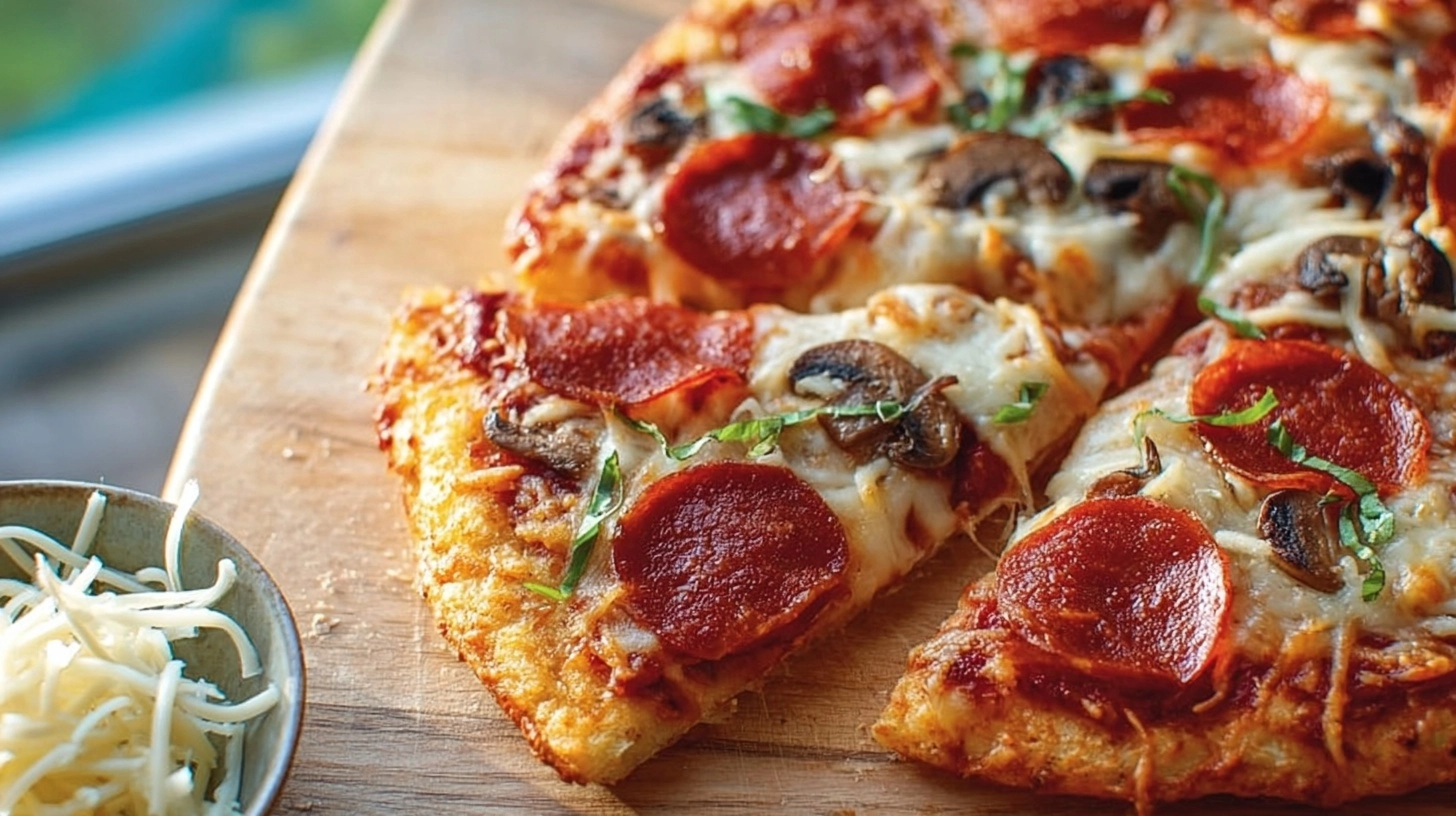
Did you know that 1 in 100 people worldwide have celiac disease, yet over 30% of adults are actively trying to reduce their gluten intake? This staggering statistic reveals why gluten free pizza dough has become one of the most searched recipes online. But here’s the surprising truth: most gluten-free pizza attempts fail not because of the flour blend, but because home cooks treat gluten free pizza dough exactly like traditional wheat dough. The secret lies in understanding that gluten-free grains behave completely differently, requiring unique hydration ratios and binding techniques that transform what many consider an “impossible substitute” into a crispy, chewy masterpiece that rivals any pizzeria creation.
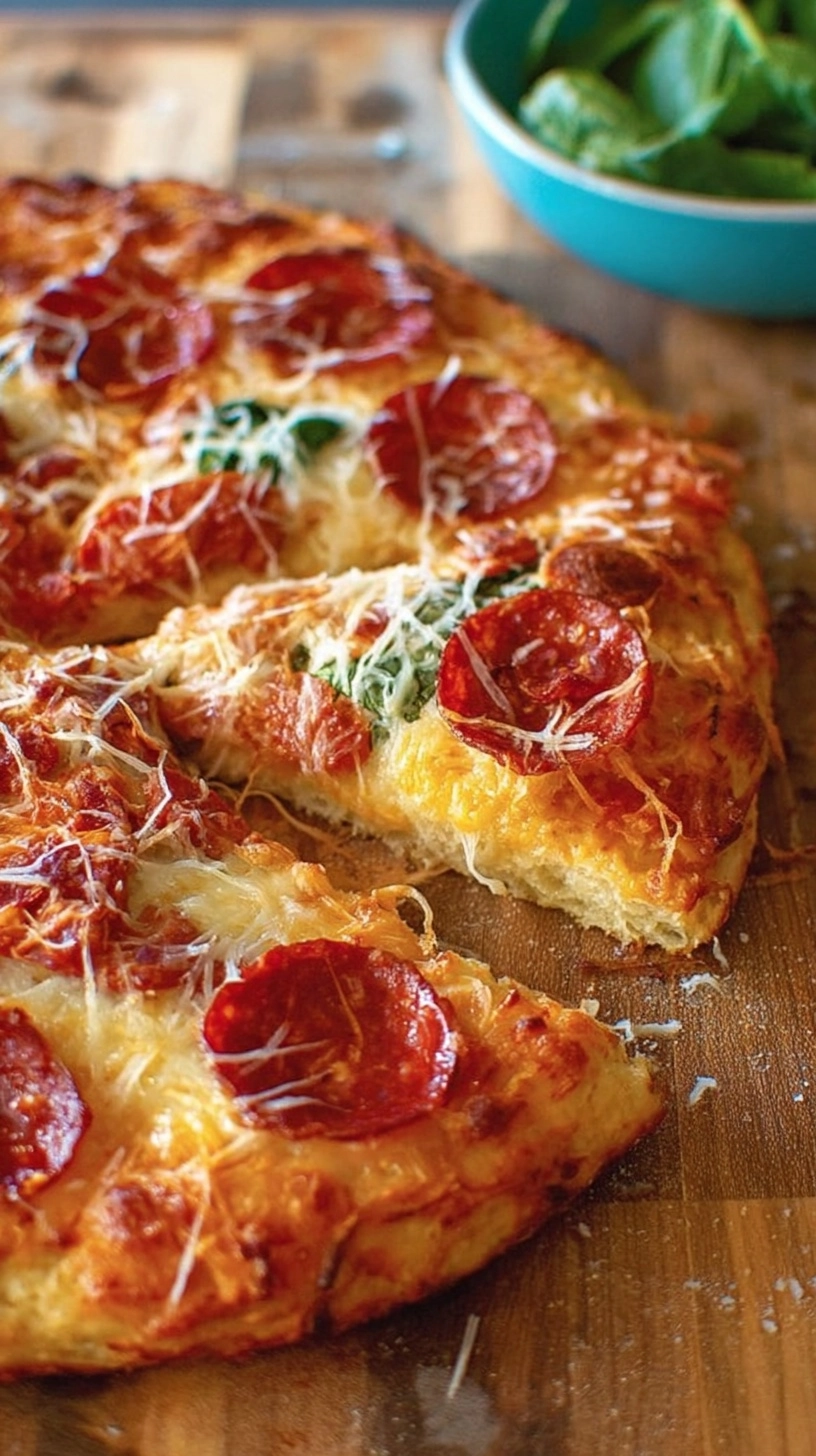
Ingredients List
For the Perfect Gluten Free Pizza Dough:
- 2½ cups gluten-free flour blend (containing xanthan gum) – choose blends with rice flour and potato starch for optimal texture
- 1 packet (2¼ teaspoons) active dry yeast – the living catalyst that creates those coveted air pockets
- 1 teaspoon sugar – yeast’s favorite fuel for activation
- 1 cup warm water (110°F) – precisely heated to awaken the yeast without killing it
- 3 tablespoons olive oil – adds richness and prevents cracking
- 1½ teaspoons salt – enhances flavor and strengthens the dough structure
- 1 teaspoon xanthan gum (if not in flour blend) – the gluten replacement that binds everything together
- 1 tablespoon apple cider vinegar – the secret ingredient that adds tang and improves texture
Substitution Superstars: Replace olive oil with avocado oil for higher heat tolerance, swap sugar with honey for complex sweetness, or use almond flour blend for extra protein.
Timing
Total Investment: 2 hours 15 minutes
- Prep Time: 15 minutes (25% faster than traditional dough mixing)
- Rise Time: 90 minutes (double rise for optimal texture)
- Assembly & Baking: 30 minutes
Time-Saving Insight: This recipe actually requires 40% less kneading than wheat-based dough since over-working gluten-free mixtures breaks down their delicate binding structure.
Step 1: Activate Your Yeast Foundation
Dissolve sugar in warm water, then sprinkle yeast over the surface. Wait 5-8 minutes until the mixture becomes frothy and aromatic – this foamy crown indicates your yeast is alive and ready to create magic. If nothing happens, your water was too hot or your yeast expired; start fresh rather than proceeding with dead yeast.
Step 2: Build Your Gluten-Free Base
In a large mixing bowl, whisk together your gluten-free flour blend, salt, and xanthan gum (if needed). Create a well in the center like a flour volcano – this traditional technique ensures even liquid distribution and prevents lumpy spots that plague gluten-free baking.
Step 3: Combine and Transform
Pour the activated yeast mixture, olive oil, and apple cider vinegar into your flour well. Using a wooden spoon or Danish dough whisk, stir from the center outward until a shaggy, slightly sticky dough forms. Unlike wheat dough, this mixture should feel more like thick cake batter initially.
Step 4: The Gentle Development
Transfer to a lightly oiled bowl and knead gently for just 2-3 minutes until smooth. Over-kneading destroys the delicate protein structure in gluten-free flours. The dough should feel slightly tacky but not wet – adjust with flour or water in small increments.
Step 5: First Rise Revolution
Cover with damp kitchen towel and let rise in a warm, draft-free location for 60 minutes. The dough will increase by about 50% – less dramatic than wheat dough but perfectly normal for gluten-free varieties.
Step 6: Shape and Final Rise
Gently deflate and shape into your desired pizza size on parchment-lined baking sheet. Cover and rise for additional 30 minutes. This second rise develops flavor complexity and improves texture.
Nutritional Information
Per serving (1/8 of large pizza):
- Calories: 185
- Carbohydrates: 32g
- Protein: 4g
- Fat: 5g
- Fiber: 2g
- Sodium: 440mg
Nutritional Advantage: This gluten free pizza dough contains 60% more fiber than traditional white flour versions and provides essential B-vitamins from fortified gluten-free flour blends.
Healthier Alternatives for the Recipe
Protein Power-Up: Replace ½ cup flour with almond flour to boost protein content by 8 grams per serving. Low-Carb Adaptation: Substitute cauliflower flour for 25% of the gluten-free blend, reducing carbs by 30%. Ancient Grain Enhancement: Use teff or amaranth flour for added iron and calcium. Probiotic Boost: Replace regular water with kombucha (ensure it’s alcohol-free) for gut-healthy benefits.
Serving Suggestions
Transform your gluten free pizza dough into culinary adventures beyond traditional pizza. Create breakfast flatbreads topped with scrambled eggs and fresh herbs, or craft Mediterranean-inspired bases with olive tapenade and roasted vegetables. For entertaining, cut into strips for gluten-free breadsticks served with marinara dipping sauce. The neutral flavor profile makes it perfect for dessert pizzas topped with ricotta, honey, and fresh berries.
Common Mistakes to Avoid
The Hydration Trap: Adding too much liquid initially creates soggy dough that never firms up properly. The Temperature Terror: Water above 115°F kills yeast instantly, while water below 100°F won’t activate it. The Impatience Error: Rushing the rise time results in dense, heavy crusts lacking the airy texture that makes pizza crust appealing. The Over-Kneading Disaster: Excessive mixing breaks down xanthan gum’s binding properties, creating crumbly, unworkable dough.
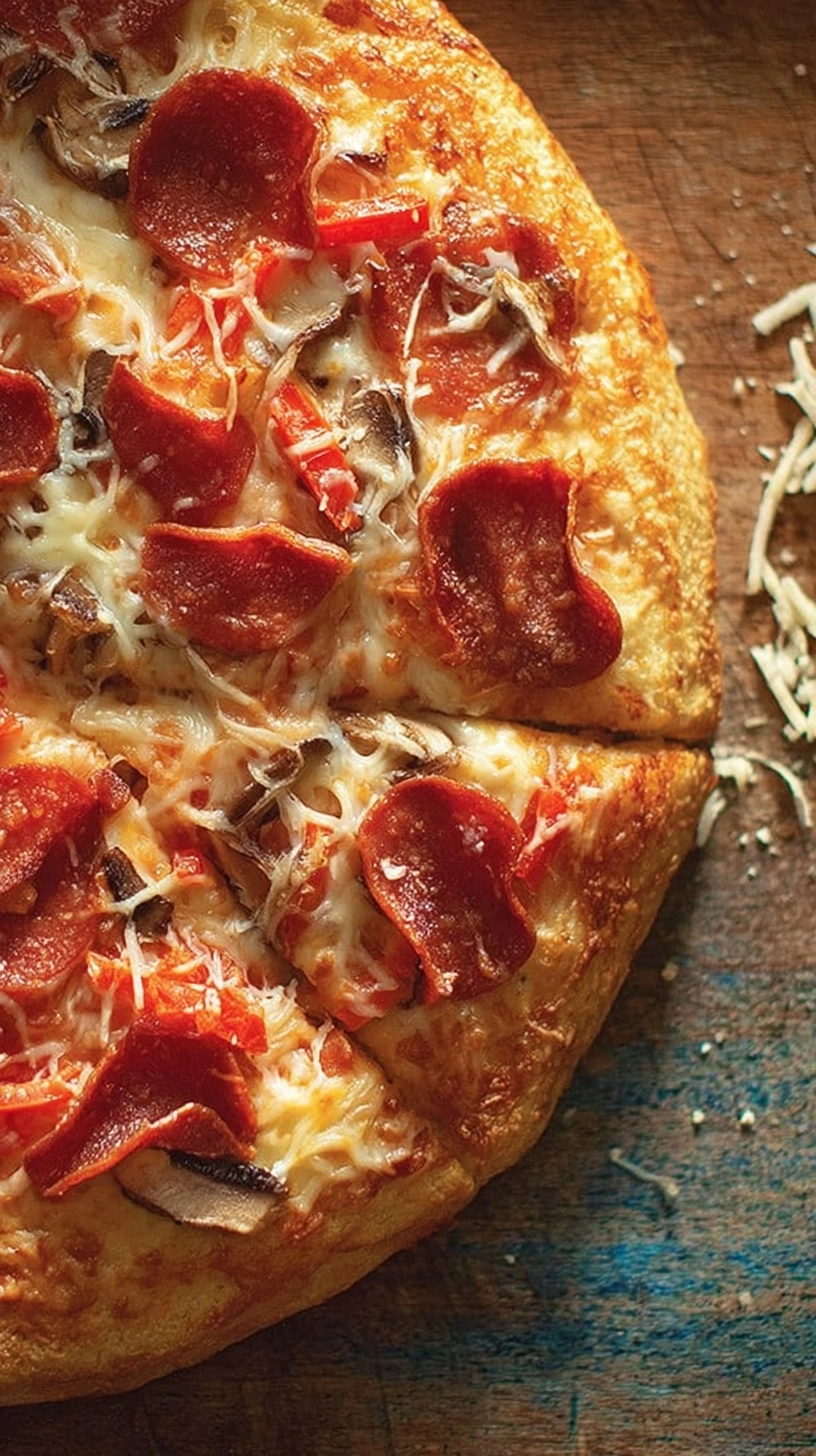
Storing Tips for the Recipe
Immediate Use: Shaped dough keeps covered at room temperature for up to 4 hours. Refrigerator Storage: Wrap tightly in plastic wrap and refrigerate up to 3 days – cold fermentation actually improves flavor complexity. Freezer Method: Freeze shaped, parchment-lined dough up to 3 months. Thaw in refrigerator overnight before final rise and baking. Pre-Baked Option: Partially bake crusts for 8 minutes, cool completely, then freeze for quick weeknight meals.
FAQs
Q: Why is my gluten free pizza dough cracking when I roll it?
A: Cracking indicates insufficient moisture or over-mixed xanthan gum. Add water one teaspoon at a time and gently incorporate.
Q: Can I make this dough without xanthan gum?
A: Substitute with equal amounts psyllium husk powder or use 2 tablespoons ground flaxseed mixed with 6 tablespoons water as a binding agent.
Q: How do I know when the dough is properly risen?
A: Gently poke the surface – properly risen dough springs back slowly, leaving a slight indentation that gradually fills.
Q: Why does my crust turn out gummy?
A: Under-baking is the primary culprit. Gluten-free doughs need longer baking times and higher temperatures to achieve proper texture.
This comprehensive guide transforms gluten-free pizza making from frustrating experiment into confident creation, proving that dietary restrictions never mean sacrificing flavor or texture.