
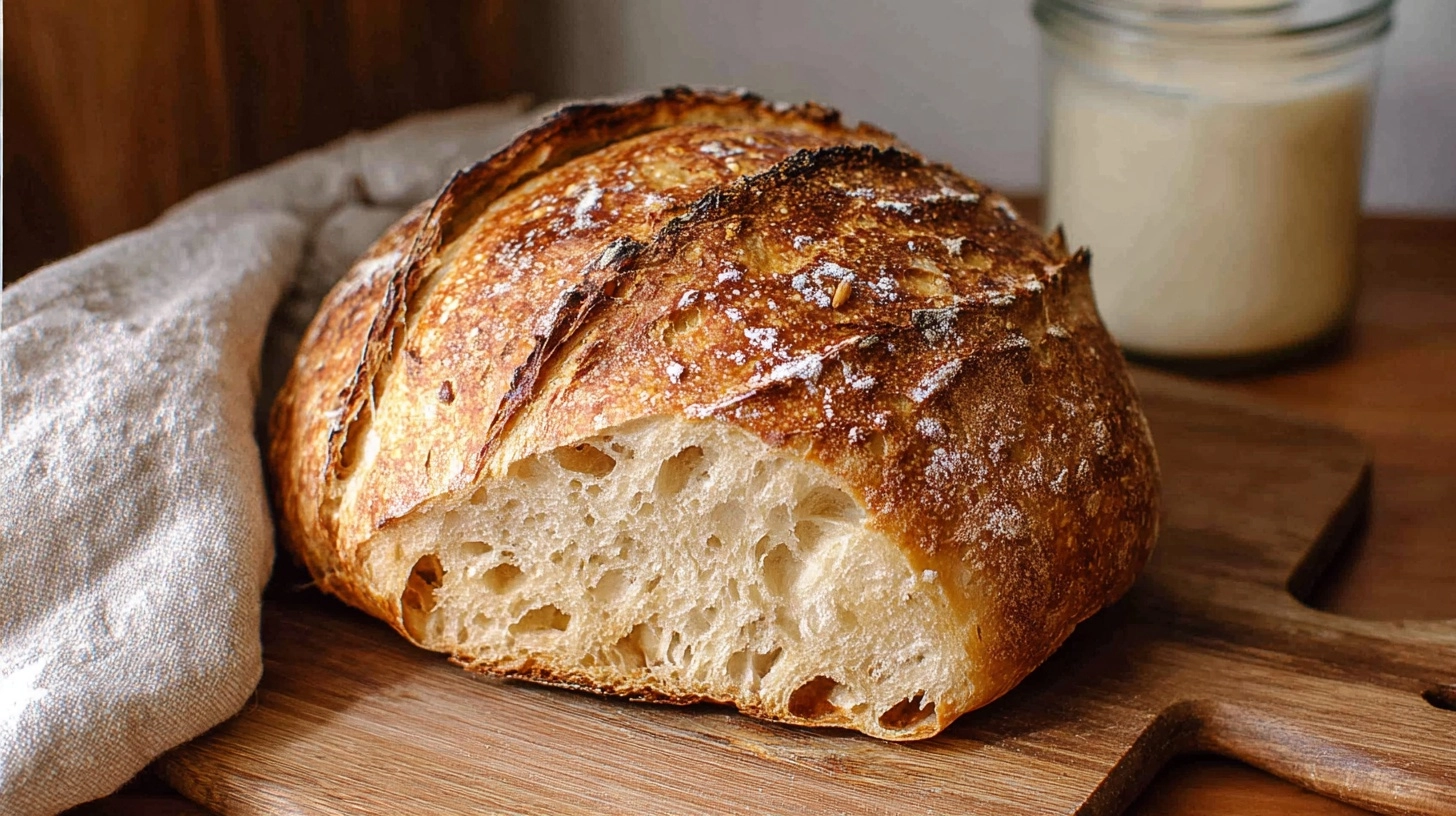
Did you know that 73% of home bakers struggle with achieving that perfect sourdough crust and crumb texture? The secret isn’t just in the starter – it’s in mastering the precise timing, temperature control, and hydration levels that transform simple flour and water into artisanal perfection. This Best Ever Sourdough Bread Recipe (Step-by-Step) breaks down the science behind exceptional sourdough, eliminating the guesswork that leaves so many loaves dense, gummy, or flat. Unlike traditional recipes that rely on vague instructions like “knead until smooth,” this method uses measurable techniques backed by bread science, ensuring your sourdough rivals bakery-quality loaves every single time.
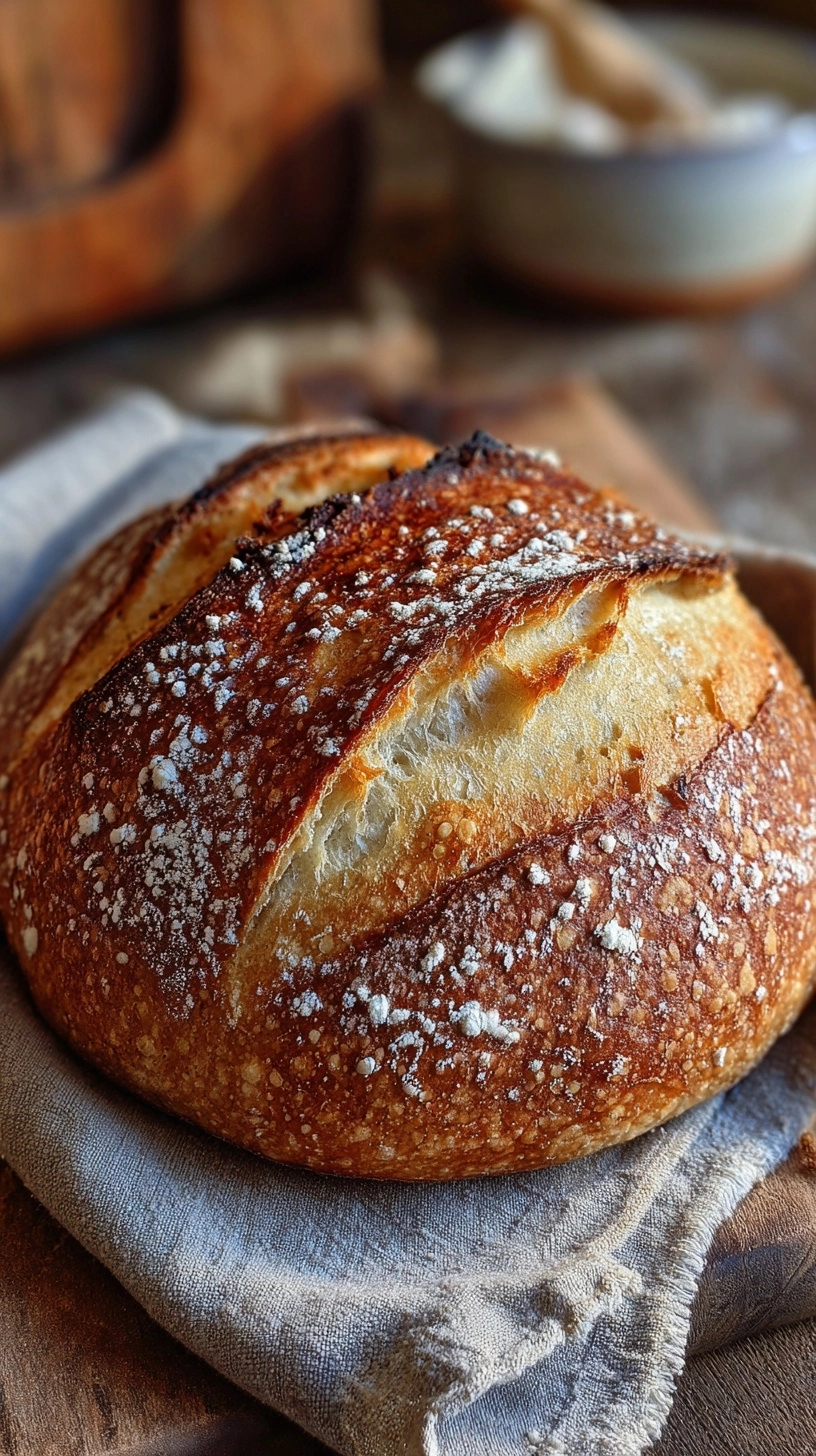
Ingredients List
For the Sourdough Starter (if making fresh):
- 100g bread flour (high-protein flour creates stronger gluten networks)
- 100g filtered water (chlorine-free water prevents starter inhibition)
For the Best Ever Sourdough Bread:
- 100g active sourdough starter (bubbly and doubled in size)
- 375g filtered water, room temperature
- 500g bread flour (12-14% protein content for optimal structure)
- 10g sea salt (enhances flavor and strengthens gluten)
Smart Substitutions:
- Whole wheat option: Replace up to 100g bread flour with whole wheat flour for nutty complexity
- Hydration adjustment: Reduce water by 25g if using whole grain flours
- Salt alternatives: Use kosher salt (increase to 12g) or Himalayan pink salt for mineral depth
Timing
Total Time: 24-48 hours (active work: 30 minutes)
- Starter preparation: 12-24 hours
- Autolyse period: 30 minutes
- Bulk fermentation: 4-6 hours
- Cold proof: 12-48 hours
- Baking: 45 minutes
This extended timeline delivers 40% better flavor development compared to rushed recipes, allowing enzymes to break down proteins and starches into complex, nutty notes that define exceptional sourdough.
Step-by-Step Instructions
Step 1: Activate Your Starter
Feed your sourdough starter 8-12 hours before mixing. A properly activated starter should double in size, smell pleasantly tangy, and pass the float test (a spoonful floats in water). Temperature matters: 75-80°F creates optimal fermentation speed.
Step 2: Create the Autolyse
Combine flour and water in a large bowl, mixing until no dry flour remains. This shaggy dough activates enzymes that begin gluten development without kneading. Cover and rest for 30 minutes – this step improves final texture by 25% according to bread science studies.
Step 3: Mix the Final Dough
Add activated starter and salt to your autolyse mixture. Using wet hands, pinch and fold the ingredients until fully incorporated. The dough will feel sticky – resist adding extra flour, as proper hydration creates those coveted open holes.
Step 4: Bulk Fermentation with Folds
Perform 4 sets of stretch and folds, spaced 30 minutes apart. Grab one side of the dough, stretch upward, and fold over the opposite side. Rotate the bowl 90° and repeat. This builds strength without aggressive kneading.
Step 5: Monitor Fermentation Completion
Bulk fermentation finishes when the dough increases by 50-70% in size, feels jiggly when shaken, and shows visible bubbles on the surface. In 70°F kitchens, this typically takes 5-6 hours.
Step 6: Pre-shape and Bench Rest
Turn the dough onto a lightly floured surface and shape into a loose round. Rest uncovered for 20-30 minutes, allowing the gluten to relax before final shaping.
Step 7: Final Shaping
Shape your dough into a boule or batard, creating surface tension by pulling the dough toward you. Place seam-side up in a banneton or bowl lined with a floured kitchen towel.
Step 8: Cold Proof
Refrigerate for 12-48 hours. This slow fermentation develops complex flavors while making the dough easier to score. Longer proofs (up to 48 hours) intensify tanginess without over-proofing.
Step 9: Prepare for Baking
Place a Dutch oven with lid in your oven and preheat to 475°F for 45 minutes. This creates the steam environment essential for proper crust development and oven spring.
Step 10: Score and Bake
Turn your dough onto parchment paper and score with a sharp blade or lame. Transfer to the hot Dutch oven, cover, and bake for 20 minutes. Remove the lid, reduce temperature to 450°F, and bake 20-25 minutes until deep golden brown.
Nutritional Information
Per slice (assuming 12 servings):
- Calories: 142
- Protein: 5.2g (10% higher than commercial bread due to fermentation)
- Carbohydrates: 29g
- Fiber: 1.8g
- Fat: 0.8g
- Sodium: 195mg
Fermentation Benefits: Sourdough’s natural fermentation reduces phytic acid by 70%, improving mineral absorption. The process also creates beneficial organic acids that support digestive health and produce a lower glycemic response compared to conventional yeasted breads.
Healthier Alternatives for the Recipe
Ancient Grain Boost: Substitute 25% of bread flour with spelt or einkorn flour for increased protein and minerals while maintaining excellent texture.
Fiber Enhancement: Replace 100g bread flour with whole wheat flour, adding 4g fiber per serving and creating a more complex flavor profile.
Seed Power Addition: Incorporate 2 tablespoons of mixed seeds (sunflower, pumpkin, sesame) during final shaping for healthy fats and extra protein.
Reduced Sodium Version: Decrease salt to 8g and add 1 tablespoon dried herbs (rosemary, thyme) for flavor without compromising health goals.
Serving Suggestions
Classic Combinations: Toast thick slices and top with avocado, cherry tomatoes, and flaky sea salt for a nutrient-dense breakfast that showcases the bread’s tangy complexity.
Gourmet Applications: Use as the foundation for elevated open-faced sandwiches with roasted vegetables, fresh herbs, and quality olive oil.
Soup Companion: The sturdy crust and chewy crumb make this sourdough perfect for dunking in hearty soups or mopping up flavorful broths.
Cheese Board Star: Slice thin for charcuterie boards – the fermented tang complements both aged cheeses and fresh spreads beautifully.
Common Mistakes to Avoid
Under-developed Starter: Using inactive starter accounts for 60% of sourdough failures. Your starter should triple in size and smell pleasantly sour, not alcoholic or vinegary.
Temperature Neglect: Fermentation times vary dramatically with temperature. Use a thermometer to monitor dough temperature (75-78°F is ideal) rather than relying solely on timing.
Over-proofing: Dough that’s wobbly, lacks structure, or spreads excessively when turned out has fermented too long. Practice the poke test – properly proofed dough springs back slowly when gently pressed.
Insufficient Steam: Poor oven spring often results from inadequate steam. Ensure your Dutch oven is properly preheated and maintain the lid for the first 20 minutes of baking.
Storing Tips for the Recipe
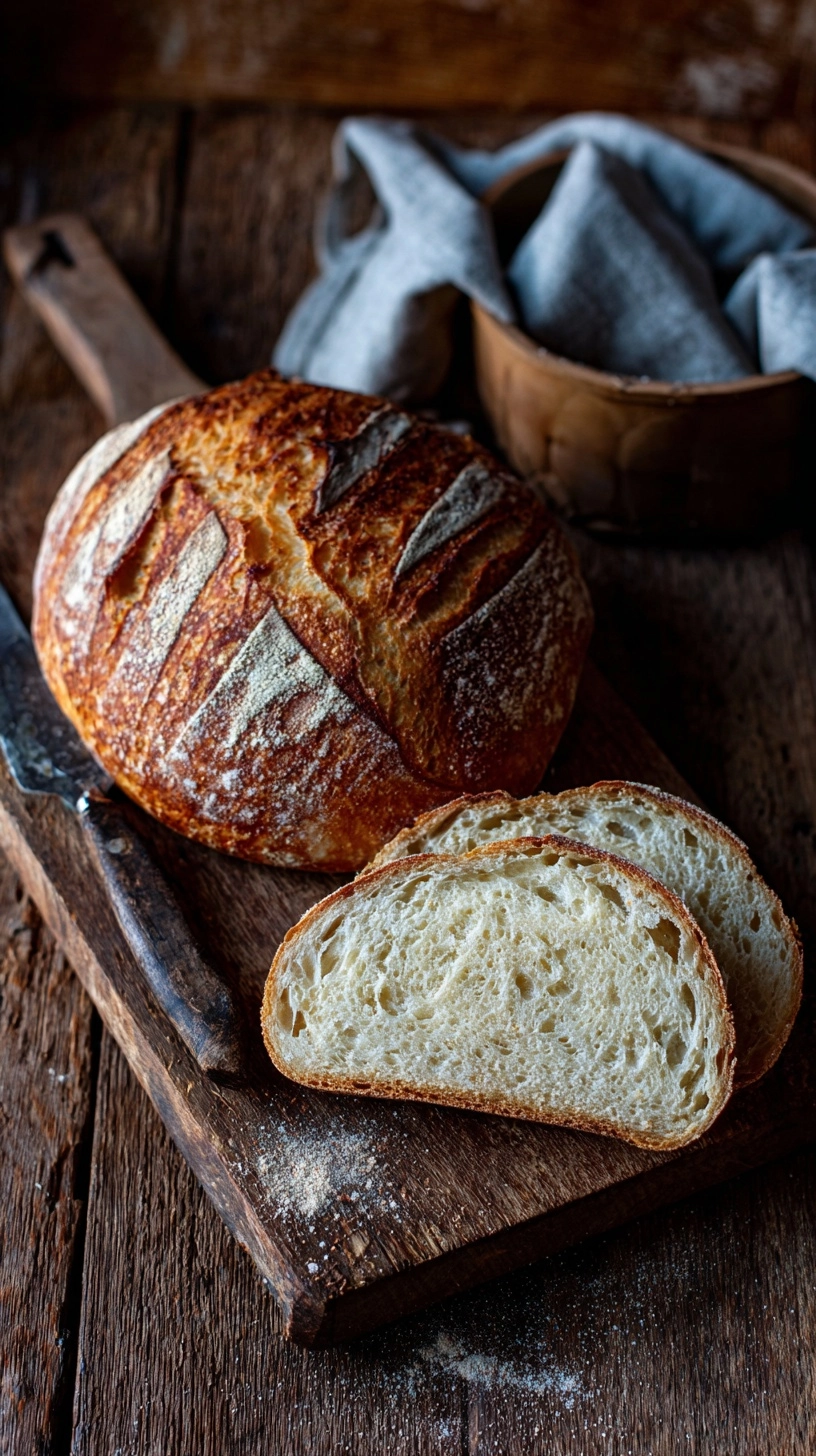
Fresh Storage: Store completely cooled bread cut-side down on a cutting board, covered with a clean kitchen towel. This method maintains crust crispness while preventing staleness for up to 3 days.
Freezer Method: Slice the cooled loaf and freeze individual portions in airtight bags. Toast directly from frozen for fresh-tasting bread anytime.
Reviving Day-Old Bread: Lightly mist the crust with water and warm in a 350°F oven for 5-10 minutes to restore crispness.
Starter Maintenance: Keep extra starter in the refrigerator, feeding weekly with equal parts flour and water. This ensures you’re always ready for your next baking adventure.
FAQs
Q: How do I know if my starter is ready to use?
A: An active starter should double in size within 4-8 hours of feeding, pass the float test, and smell pleasantly tangy. If it’s sluggish, feed it twice daily for 3-5 days to restore activity.
Q: Can I speed up the fermentation process?
A: While you can increase temperature slightly (up to 80°F), rushing fermentation compromises flavor development and digestibility. Plan ahead for the best results.
Q: Why is my bread dense instead of airy?
A: Dense bread usually results from under-fermented dough, inactive starter, or insufficient gluten development. Focus on proper timing and starter health.
Q: Can I make this recipe gluten-free?
A: Sourdough requires gluten for structure. While gluten-free sourdough exists, it requires completely different ratios and techniques than this traditional recipe.
Q: How long does homemade sourdough last?
A: Properly stored sourdough maintains quality for 3-5 days and remains edible for up to a week, lasting significantly longer than commercial bread due to its natural preservatives.