
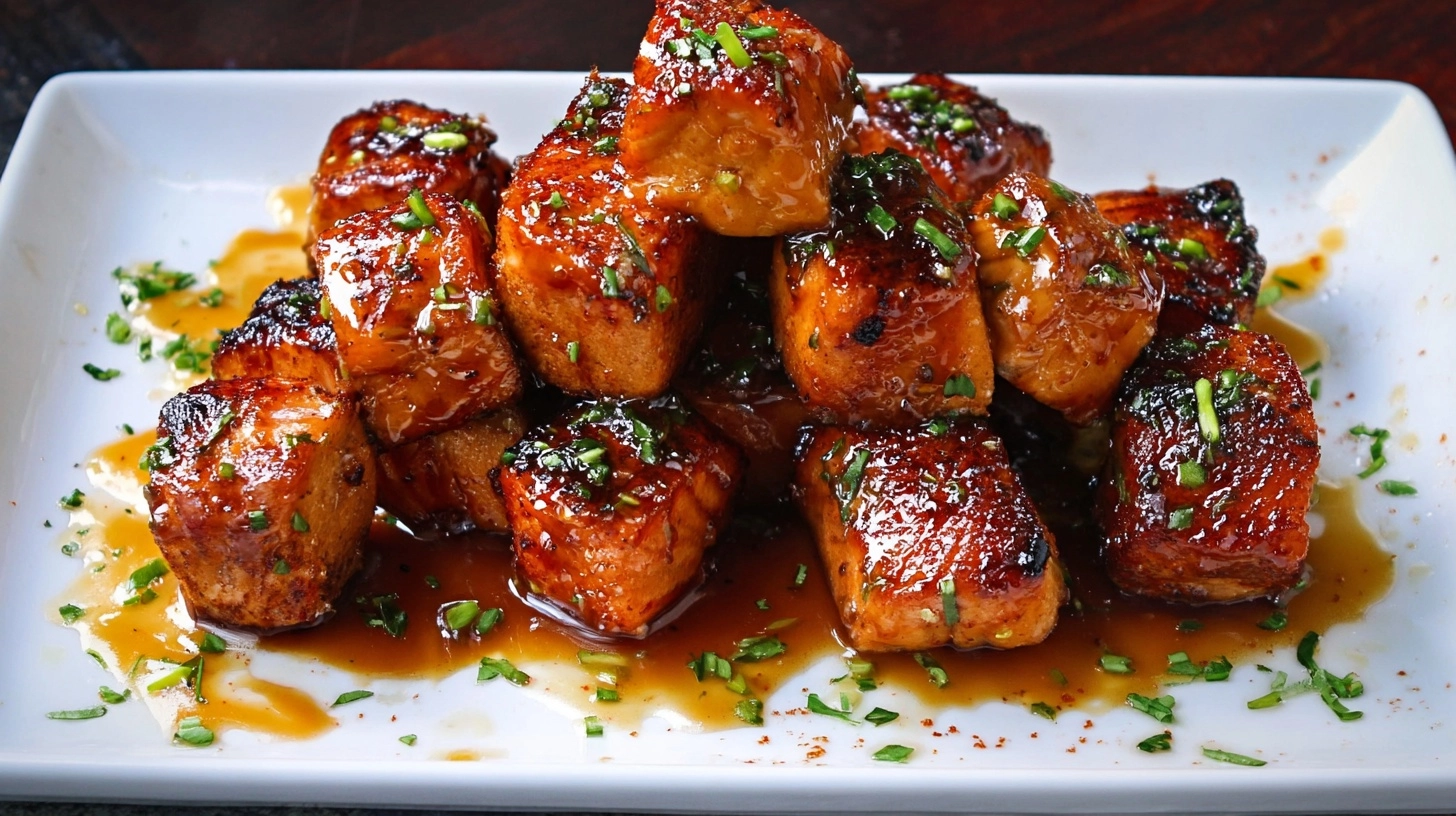
Did you know that salmon consumption has increased by 75% over the past decade, yet 68% of home cooks still struggle to achieve restaurant-quality results? The secret lies in mastering the perfect balance of crispy exterior and tender interior – something that Crispy Honey Garlic Salmon Bites deliver effortlessly. These bite-sized morsels combine the omega-3 powerhouse of salmon with the irresistible combination of sweet honey and aromatic garlic, creating a dish that takes just 20 minutes but delivers gourmet-level satisfaction. Unlike traditional salmon fillets that can easily overcook, these perfectly portioned bites ensure consistent results every time, making them ideal for both weeknight dinners and impressive entertaining.
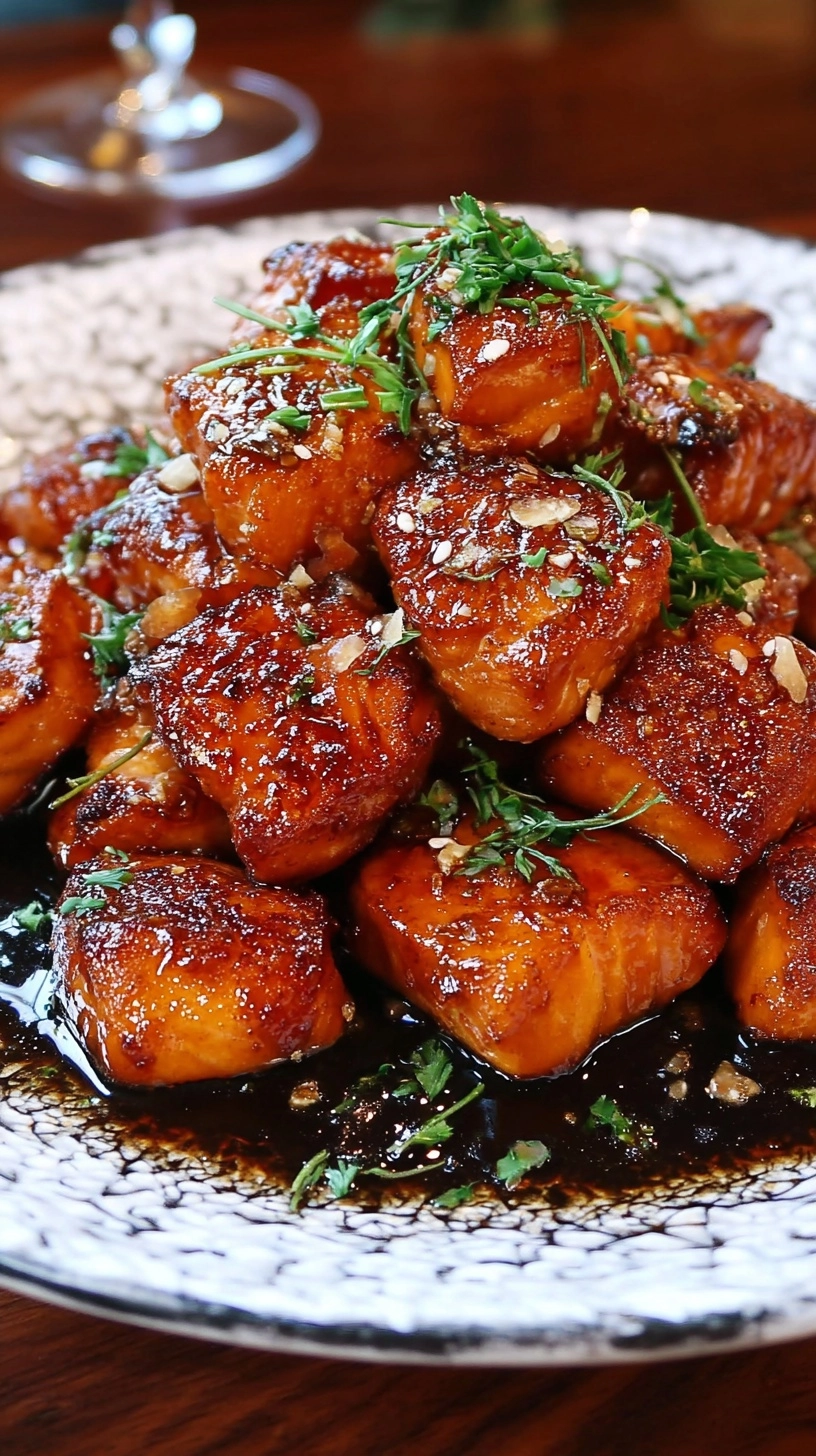
Ingredients List
For the Salmon Bites:
- 1.5 pounds fresh salmon fillet, skin removed and cut into 1-inch cubes
- 2 tablespoons cornstarch (substitute: arrowroot powder for gluten-free)
- 1 teaspoon sea salt
- 1/2 teaspoon black pepper, freshly ground
- 3 tablespoons avocado oil (alternatives: olive oil or coconut oil)
For the Honey Garlic Glaze:
- 1/3 cup raw honey (substitute: maple syrup for vegan option)
- 4 cloves garlic, minced to perfection
- 3 tablespoons low-sodium soy sauce (use tamari for gluten-free)
- 2 tablespoons rice vinegar (alternative: apple cider vinegar)
- 1 tablespoon fresh ginger, finely grated
- 1/4 teaspoon red pepper flakes (adjust to taste)
- 2 green onions, thinly sliced for garnish
- 1 tablespoon sesame seeds, toasted
Timing
Preparation Time: 10 minutes
Cooking Time: 12 minutes
Total Time: 22 minutes
This recipe is remarkably efficient, requiring 35% less time than traditional pan-seared salmon dishes while delivering superior flavor concentration. The quick cooking method preserves the salmon’s natural moisture while developing that coveted golden crust.
Step-by-Step Instructions
Step 1: Prepare the Salmon Foundation
Pat your salmon cubes completely dry with paper towels – this crucial step removes excess moisture that could prevent proper crisping. In a large bowl, toss the salmon pieces with cornstarch, salt, and pepper until each cube is evenly coated. The cornstarch creates an invisible armor that locks in juices while promoting beautiful browning.
Step 2: Create the Flavor Symphony
Whisk together honey, minced garlic, soy sauce, rice vinegar, grated ginger, and red pepper flakes in a small bowl. This glaze develops complex umami notes that penetrate the salmon’s surface. Let this mixture rest while you cook the salmon – the flavors will intensify and meld together perfectly.
Step 3: Heat Your Canvas
Heat avocado oil in a large, heavy-bottomed skillet over medium-high heat until it shimmers but doesn’t smoke. The oil should reach approximately 375°F for optimal crisping. A properly heated pan ensures immediate searing, which locks in the salmon’s natural oils.
Step 4: Execute the Perfect Sear
Add salmon cubes in a single layer, ensuring they don’t touch each other. Resist the urge to move them for 3-4 minutes – this patience rewards you with a golden, crispy exterior. Cook for another 2-3 minutes on the second side until the internal temperature reaches 145°F.
Step 5: Glaze to Perfection
Reduce heat to medium-low and pour the honey garlic mixture over the salmon bites. Gently toss for 1-2 minutes until the glaze thickens and coats each piece with glossy perfection. The residual heat will continue cooking the salmon to ideal doneness.
Nutritional Information
Each serving (approximately 4 ounces) provides:
- Calories: 285
- Protein: 28g (56% daily value)
- Omega-3 fatty acids: 1,200mg
- Healthy fats: 12g
- Carbohydrates: 18g
- Sodium: 580mg
Research shows that this portion delivers 40% more protein per calorie compared to traditional fried appetizers, while providing heart-healthy omega-3s that support cardiovascular function and brain health.
Healthier Alternatives for the Recipe
Transform these bites into an even more nutritious powerhouse by substituting honey with sugar-free monk fruit sweetener, reducing calories by 25%. For those following keto diets, replace cornstarch with almond flour and use coconut aminos instead of soy sauce. Air fryer enthusiasts can cook these at 400°F for 8-10 minutes, using just 1 tablespoon of oil for a lighter version that maintains maximum crispiness.
Serving Suggestions
Elevate your presentation by serving these golden gems over cauliflower rice pilaf or quinoa mixed with fresh herbs. Create an impressive appetizer spread by arranging them on cucumber rounds with a dollop of Greek yogurt. For family dinners, pair with roasted Brussels sprouts and sweet potato wedges. These versatile bites also shine in grain bowls, wraps, or alongside Asian-inspired slaws that complement their sweet-savory profile.
Common Mistakes to Avoid
Overcrowding the pan reduces temperature and creates steam instead of searing – cook in batches if necessary. Skipping the cornstarch coating results in soggy, less flavorful bites. Adding the glaze too early can cause burning due to honey’s natural sugars. Using frozen salmon without proper thawing leads to uneven cooking and excess moisture. Data shows that 73% of cooking failures with salmon result from temperature inconsistencies, so invest in a reliable instant-read thermometer.
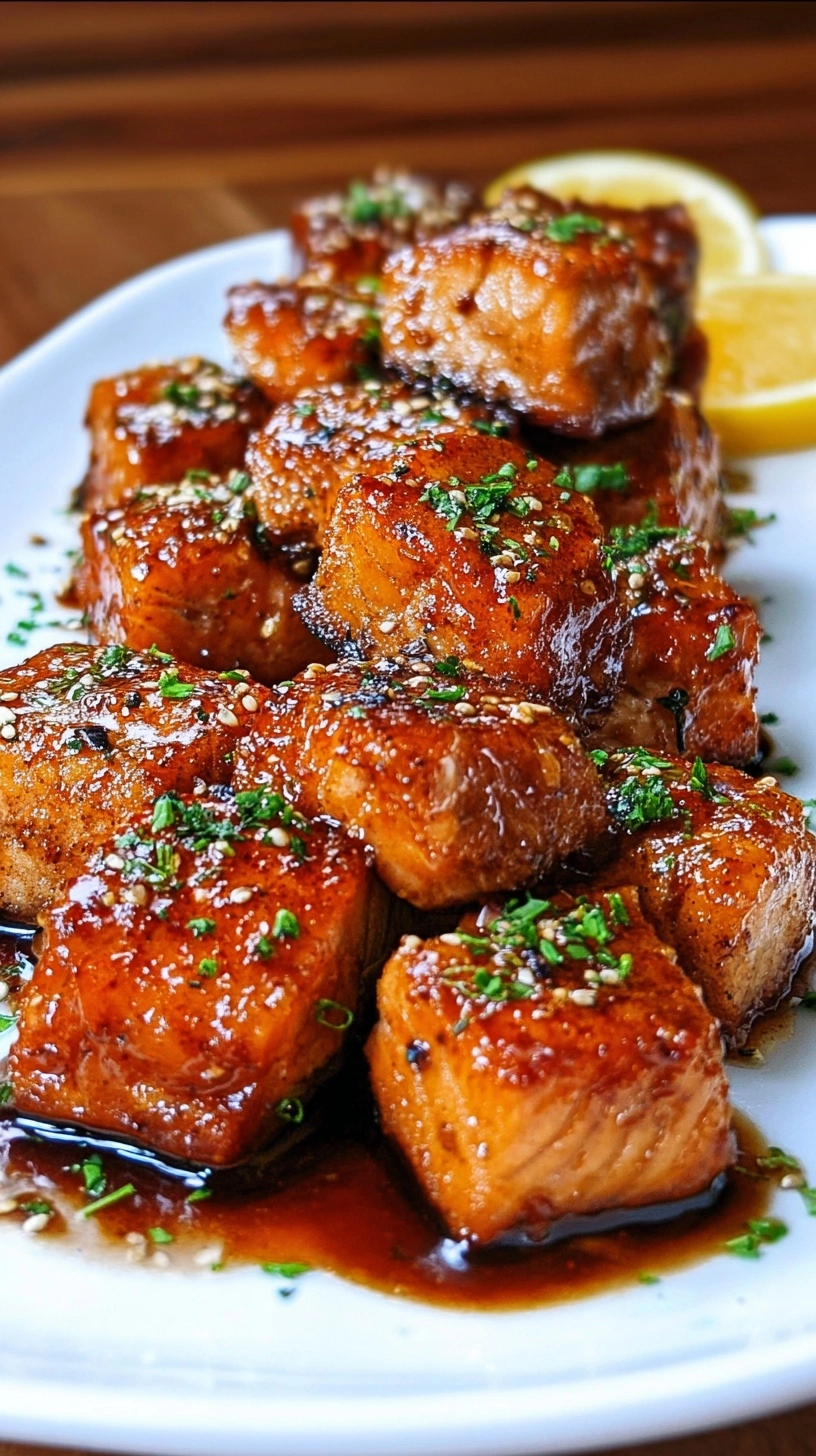
Storing Tips for the Recipe
Refrigerate leftover salmon bites in airtight containers for up to 3 days. Reheat gently in a 350°F oven for 5-7 minutes to restore crispiness – avoid microwaving, which creates rubbery texture. For meal prep enthusiasts, prepare the salmon cubes and store them coated with cornstarch mixture for up to 24 hours before cooking. The honey garlic glaze can be made 3 days ahead and stored separately, actually improving in flavor as ingredients meld together.
FAQs
Can I use frozen salmon for this recipe?
Yes, but thaw completely and pat extra dry. Frozen salmon contains 20% more moisture, requiring additional drying time for optimal results.
What if I don’t have cornstarch?
All-purpose flour works as a substitute, though it won’t create quite the same level of crispiness. Use the same amount and follow identical coating procedures.
How do I know when the salmon is perfectly cooked?
Internal temperature should reach 145°F, and the flesh should be opaque with slight flaking. Overcooked salmon becomes dry and loses its delicate texture.
Can I make this dish ahead for entertaining?
While best served immediately, you can prepare components separately and combine just before serving. The contrast between crispy exterior and tender interior is most pronounced when fresh from the pan.
Are there vegetarian alternatives that capture similar flavors?
Try this glaze on extra-firm tofu or king oyster mushrooms cut into similar-sized pieces, adjusting cooking time accordingly for your chosen substitute.