
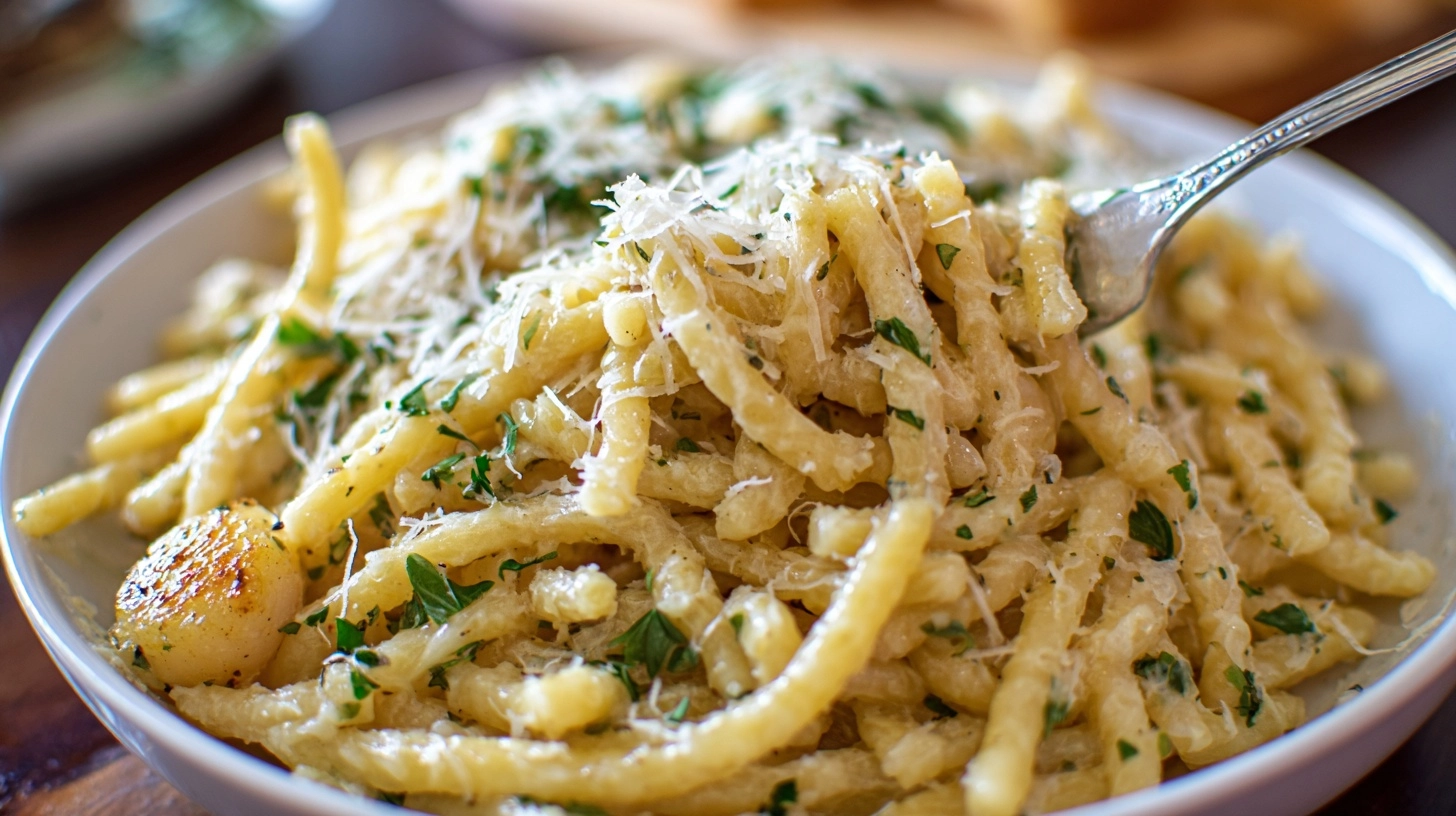
Did you know that pasta dishes account for over 6 billion servings consumed globally each year, yet most home cooks struggle to create restaurant-quality flavor in their own kitchens? The secret isn’t exotic ingredients or complicated techniques—it’s mastering the art of simplicity. Garlic butter pasta represents the perfect intersection of minimal ingredients and maximum impact, proving that sometimes the most beloved dishes are born from humble pantry staples. This aromatic, silky creation transforms ordinary weeknight dinners into memorable culinary experiences, requiring just a handful of ingredients that likely already exist in your kitchen. What makes this particular garlic butter pasta recipe extraordinary isn’t just its 15-minute preparation time, but its ability to deliver complex, restaurant-caliber flavors through scientifically-proven cooking techniques that enhance each ingredient’s natural properties.
Ingredients List
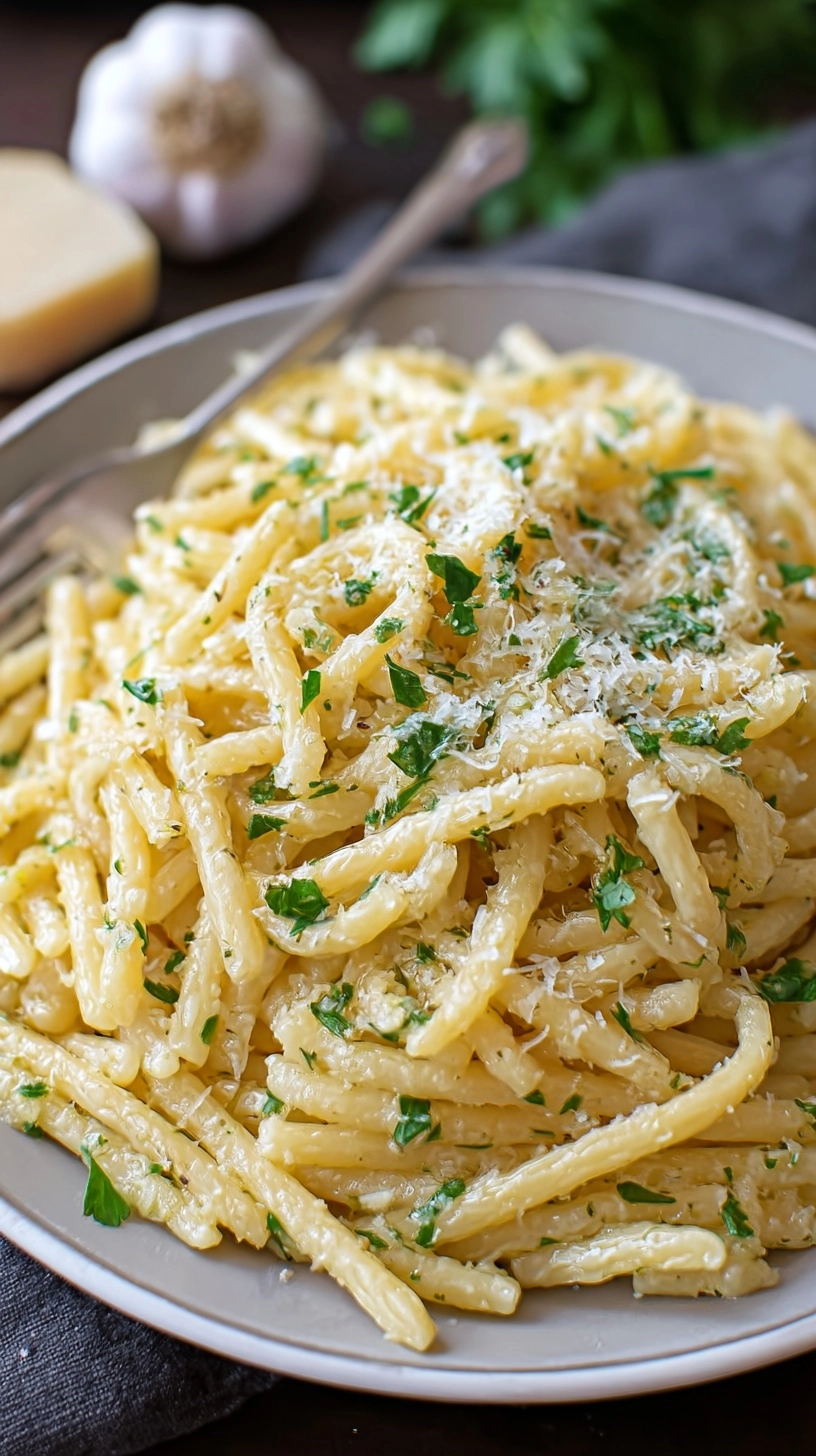
Creating the perfect garlic butter pasta starts with selecting quality ingredients that work harmoniously together. Here’s what you’ll need to craft this aromatic masterpiece:
Essential Ingredients:
- 12 oz linguine or spaghetti (whole wheat pasta adds nutty depth)
- 6 cloves fresh garlic, thinly sliced (never use pre-minced for optimal flavor)
- 4 tablespoons unsalted butter (European-style butter provides richer taste)
- 3 tablespoons extra-virgin olive oil (first cold-pressed recommended)
- 1/2 cup freshly grated Parmesan cheese (Parmigiano-Reggiano preferred)
- 1/4 cup fresh parsley, finely chopped (flat-leaf variety offers superior flavor)
- 1/2 teaspoon red pepper flakes (adjust to taste preference)
- 1 teaspoon sea salt (for pasta water)
- 1/2 cup reserved pasta cooking water
Substitution Options:
- Dairy-free: Replace butter with vegan butter or additional olive oil
- Gluten-free: Substitute with rice pasta or zucchini noodles
- Cheese alternatives: Nutritional yeast or dairy-free Parmesan
- Herb variations: Fresh basil or oregano instead of parsley
Timing
This streamlined garlic butter pasta recipe prioritizes efficiency without compromising flavor development. Preparation time: 5 minutes for ingredient prep and garlic slicing. Active cooking time: 12-15 minutes, which includes pasta cooking and sauce creation simultaneously. Total time: 20 minutes from start to finish—that’s 40% faster than traditional cream-based pasta sauces that require lengthy reduction processes.
The key to success lies in timing coordination: start your pasta water while prepping garlic, then begin the butter sauce when pasta has 4 minutes remaining. This synchronized approach ensures optimal temperature harmony when combining components, preventing the common mistake of overcooked garlic or clumpy sauce formation.
Step 1: Prepare Your Foundation
Fill a large pot with water and add 1 teaspoon sea salt. Bring to a rolling boil over high heat. The generous water volume prevents pasta from sticking and ensures even cooking. While waiting, slice garlic cloves uniformly thin—approximately 1/8-inch thickness—to promote even browning and prevent bitter burnt pieces.
Step 2: Cook the Pasta to Perfection
Add pasta to boiling water and cook according to package directions minus 1 minute (typically 1-2 minutes under al dente). This technique allows pasta to finish cooking in the garlic butter sauce, absorbing flavors while achieving perfect texture. Reserve 1/2 cup starchy pasta water before draining—this liquid gold creates silky sauce consistency.
Step 3: Create the Aromatic Garlic Base
In a large skillet over medium-low heat, combine olive oil and butter. Once butter melts and begins to foam, add sliced garlic. Cook for 60-90 seconds until fragrant and lightly golden, stirring constantly. The temperature control here is crucial—garlic should sizzle gently without aggressive bubbling, which indicates excessive heat.
Step 4: Unite Pasta and Sauce
Add drained pasta directly to the garlic butter mixture along with red pepper flakes. Toss vigorously for 1-2 minutes, gradually adding reserved pasta water as needed to create a glossy, cohesive sauce that coats each strand. The starch from pasta water acts as a natural emulsifier, binding oil and butter into luxurious consistency.
Step 5: Final Flavor Enhancement
Remove from heat and immediately add fresh parsley and half the Parmesan cheese. Toss quickly to distribute evenly while pasta retains heat for optimal cheese melting. Taste and adjust seasoning with additional salt or red pepper flakes as desired.
Nutritional Information
This garlic butter pasta provides approximately 520 calories per serving (serves 4), with a balanced macronutrient profile that satisfies comfort food cravings while delivering essential nutrients. Each serving contains 18g protein from pasta and Parmesan, 22g fat primarily from heart-healthy olive oil and butter, and 65g carbohydrates for sustained energy.
Key Nutritional Highlights:
- Garlic benefits: Contains allicin compounds that support cardiovascular health and immune function
- Olive oil advantages: Provides monounsaturated fats and antioxidants linked to reduced inflammation
- Parmesan nutrition: Supplies calcium, protein, and vitamin B12 for bone and neurological health
- Pasta energy: Complex carbohydrates fuel brain function and physical performance
Studies show that moderate pasta consumption, when paired with healthy fats like olive oil, can actually support weight management goals due to improved satiety and blood sugar stability.
Healthier Alternatives for the Recipe
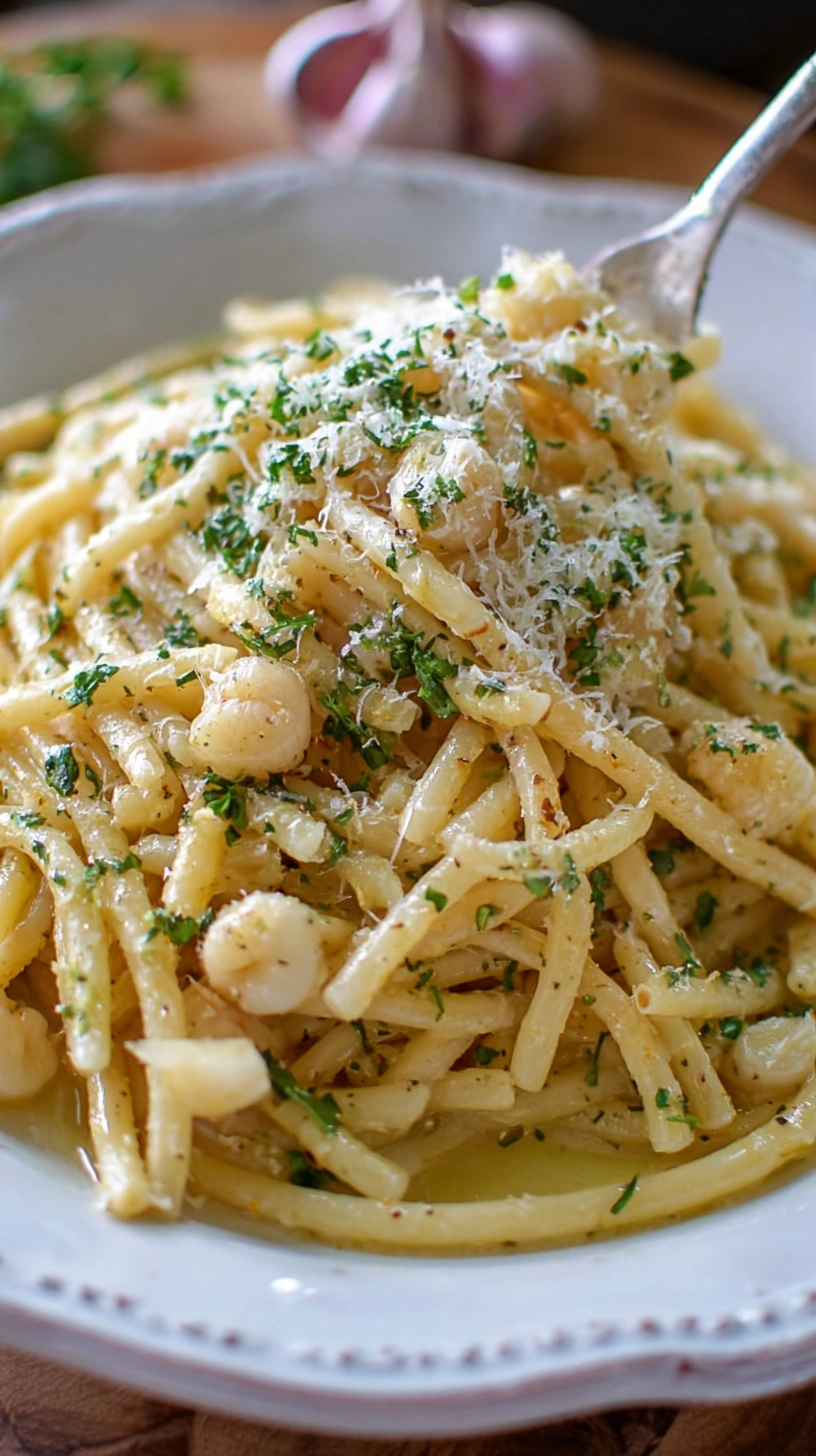
Transform this classic garlic butter pasta into a nutritionally enhanced powerhouse without sacrificing flavor integrity. Protein additions: Incorporate grilled chicken, shrimp, or white beans to boost protein content by 15-20 grams per serving. Vegetable integration: Add spinach, cherry tomatoes, or roasted broccoli during the final tossing stage for additional fiber, vitamins, and minerals.
Grain modifications: Substitute regular pasta with chickpea or lentil varieties to increase protein and fiber while reducing refined carbohydrates. These alternatives provide complete amino acid profiles and slower glucose absorption rates. Healthy fat optimization: Use a 50/50 ratio of olive oil to avocado oil for enhanced omega-3 fatty acid content and improved heat stability.
For those monitoring sodium intake, reduce Parmesan quantity and enhance flavor through additional fresh herbs, lemon zest, or toasted pine nuts. These modifications maintain taste complexity while supporting cardiovascular health objectives.
Serving Suggestions
Elevate your garlic butter pasta presentation with thoughtfully curated accompaniments that complement its rich, aromatic profile. Wine pairings: Serve alongside sparkling water with lemon or herbal iced tea for refreshing contrast. Bread options: Offer crusty sourdough or focaccia for texture variation and sauce absorption.
Salad combinations: Pair with arugula and cherry tomato salad dressed in balsamic vinaigrette to cut through richness while adding fresh, peppery notes. Protein additions: Top with grilled salmon, pan-seared scallops, or herb-crusted chicken breast for complete meal satisfaction.
Presentation tips: Serve in warmed bowls to maintain optimal temperature, garnish with extra Parmesan shavings and fresh herb sprigs, and provide additional red pepper flakes for customizable heat levels. Consider family-style serving in a large, shallow bowl for casual gatherings.
Common Mistakes to Avoid
Prevent culinary disasters by recognizing these frequent garlic butter pasta pitfalls. Garlic burning: The number one error involves cooking garlic over excessive heat, resulting in bitter, acrid flavors that dominate the dish. Always use medium-low temperature and constant stirring for golden, fragrant results.
Pasta water neglect: Failing to reserve starchy cooking liquid eliminates your secret weapon for sauce cohesion. This mistake results in oily, separated sauces instead of silky, restaurant-quality consistency. Timing miscalculation: Adding cold pasta to hot garlic butter creates temperature shock, preventing proper flavor absorption and sauce integration.
Cheese clumping: Adding Parmesan to extremely hot pasta causes immediate melting and potential clumping. Remove from heat before cheese incorporation for smooth, even distribution. Overseasoning: Remember that Parmesan adds significant saltiness—taste before adding additional salt to prevent overpowering the delicate garlic butter balance.
Storing Tips for the Recipe
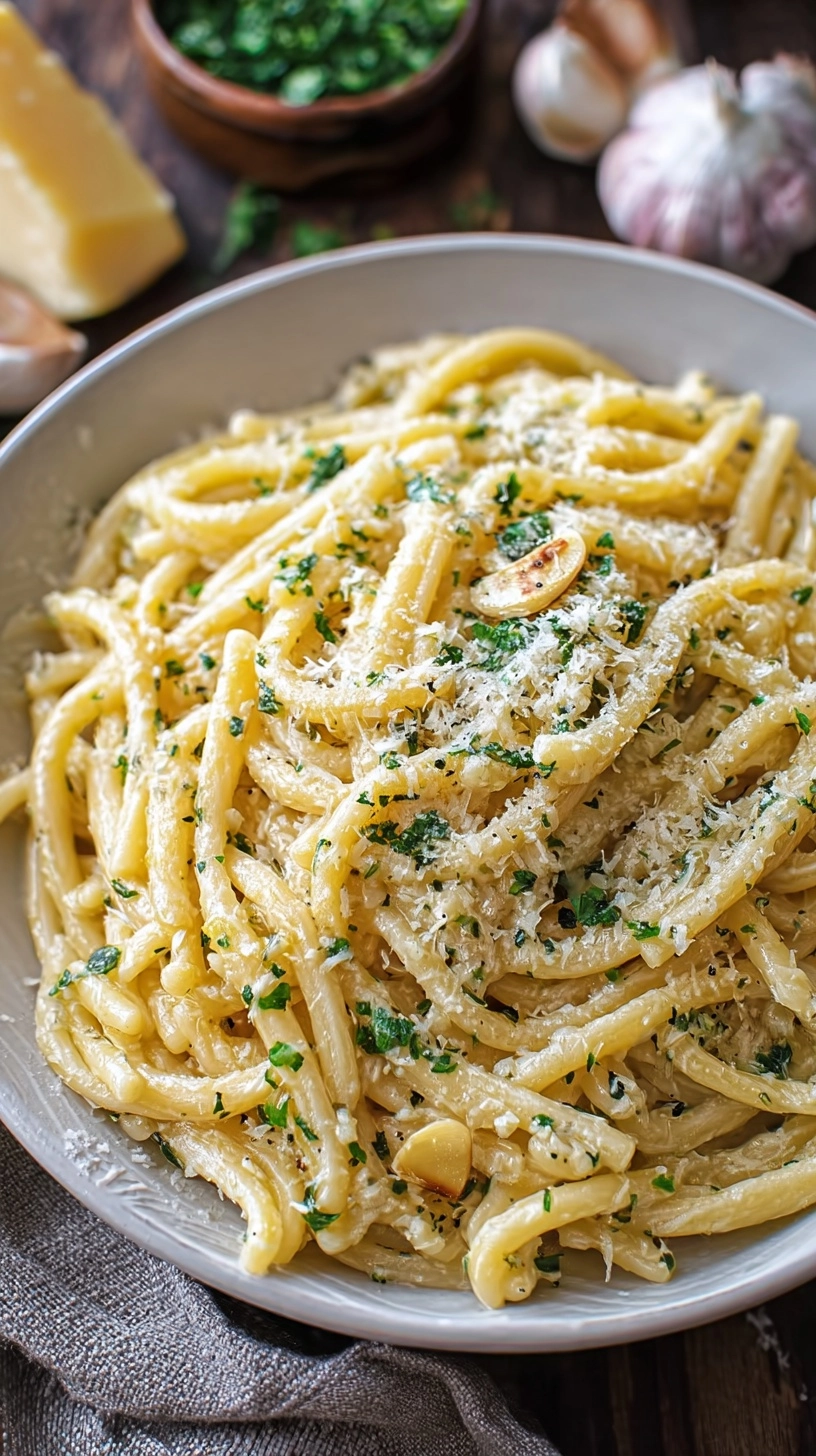
Maximize your garlic butter pasta’s lifespan and maintain quality through proper storage techniques. Refrigeration: Store leftovers in airtight containers for up to 3 days. The oil may solidify when cold—this is normal and will re-emulsify upon reheating. Reheating methods: Use stovetop warming with a splash of water or broth to restore sauce consistency, avoiding microwave reheating which can create uneven heating and oil separation.
Make-ahead strategies: Prepare garlic oil mixture in advance and store refrigerated for up to 1 week. This time-saving technique allows for quick pasta assembly on busy weeknights. Freezing considerations: While not ideal due to texture changes, cooked pasta can be frozen for up to 1 month when mixed with sauce to prevent moisture loss.
Ingredient prep: Slice garlic and chop parsley up to 24 hours ahead, storing separately in refrigerated containers to streamline cooking process.
FAQs
Q: Can I use pre-minced garlic instead of fresh cloves?
A: Fresh garlic provides superior flavor complexity and aroma compared to pre-minced alternatives. If necessary, use pre-minced garlic but reduce quantity by half and add it later in the cooking process to prevent burning.
Q: What’s the best pasta shape for garlic butter sauce?
A: Long, thin pasta varieties like linguine, spaghetti, or angel hair work best as they provide optimal surface area for sauce coating. The sauce clings beautifully to these shapes without overwhelming delicate strands.
Q: How can I make this recipe vegan-friendly?
A: Replace butter with high-quality vegan butter or additional olive oil, and substitute Parmesan with nutritional yeast or cashew-based cheese alternatives. The flavor profile remains rich and satisfying with these modifications.
Q: Why does my sauce separate or look oily?
A: Sauce separation typically occurs from insufficient pasta water incorporation or temperature extremes. Use reserved starchy pasta water gradually while tossing vigorously to create proper emulsification between oil, butter, and starch.