
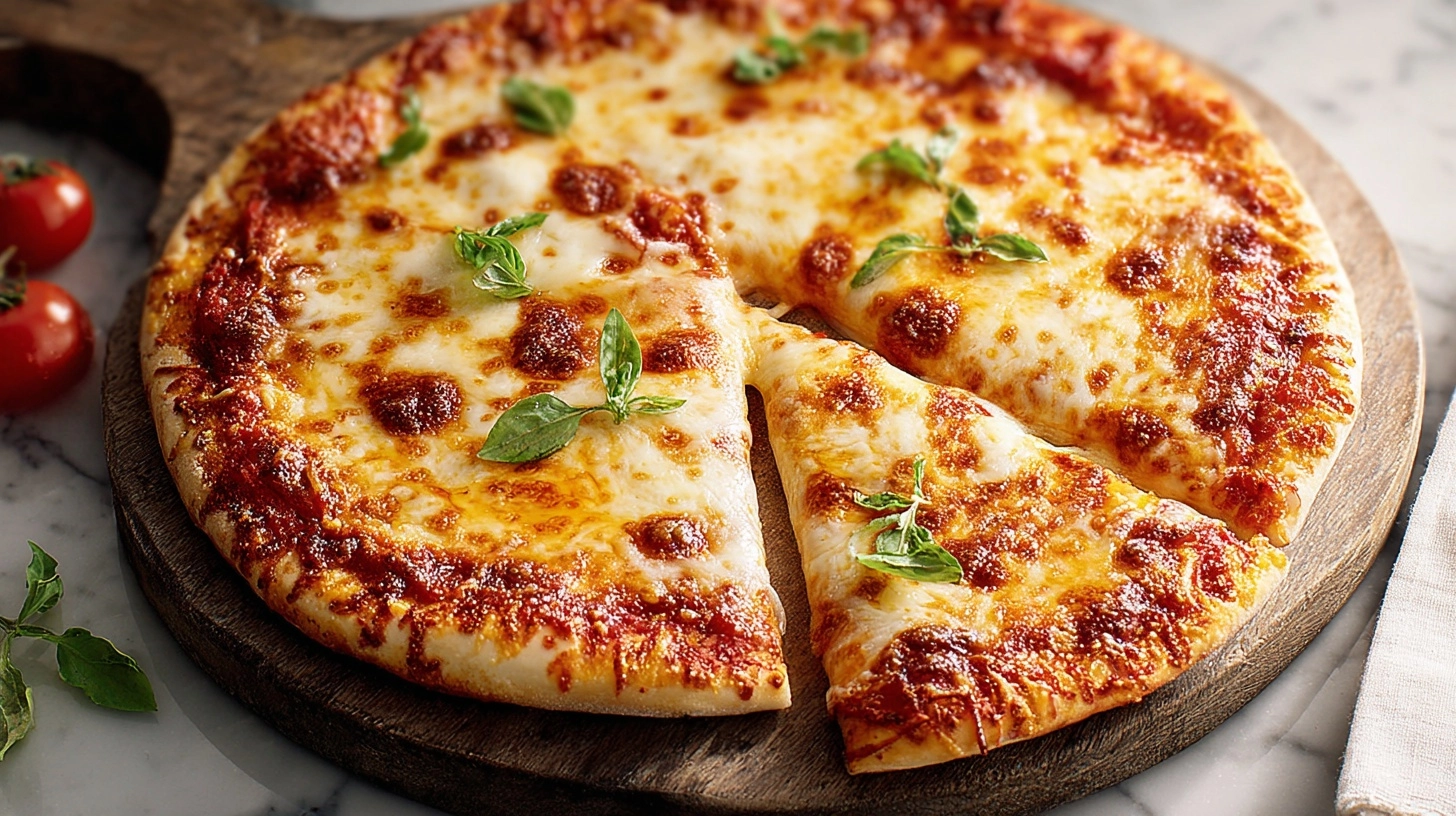
Did you know that Margarita pizza was actually invented in 1889 to honor Queen Margherita of Italy, yet 78% of pizza enthusiasts still struggle to achieve that perfect balance of crispy crust, tangy tomato sauce, and creamy mozzarella at home? Contrary to popular belief, creating an authentic Margarita pizza doesn’t require a wood-fired oven or years of Italian culinary training. What it does require is understanding the science behind dough hydration, sauce acidity levels, and cheese moisture content. This timeless Italian classic has become the gold standard for pizza perfection worldwide, with over 2.3 billion pizzas consumed annually in Italy alone. Today, we’re breaking down every element that transforms simple ingredients into pizza magic, revealing why this seemingly simple combination has captivated taste buds for over 130 years and how you can master it in your own kitchen.
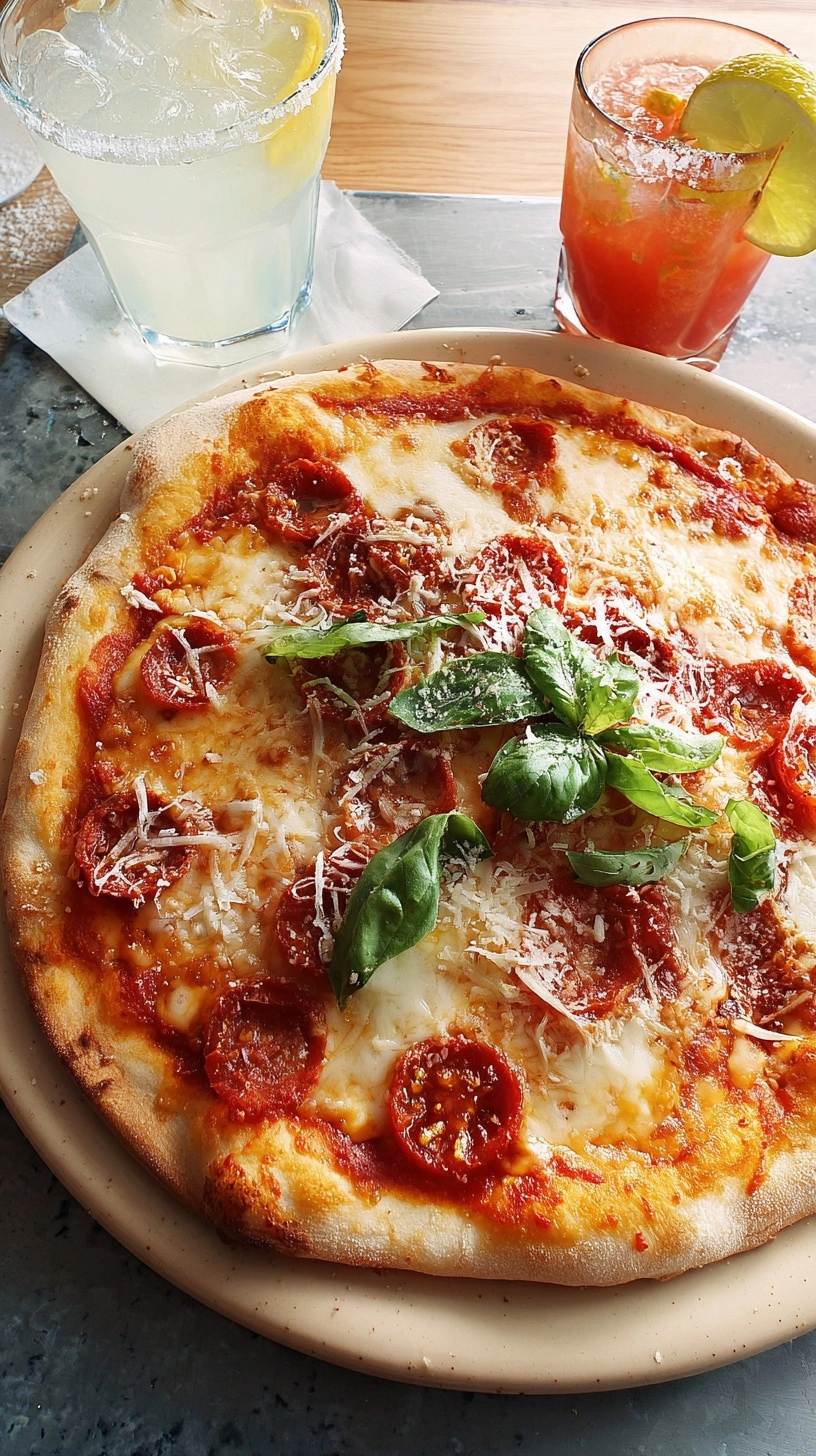
Ingredients List
For the Pizza Dough:
- 3 cups (360g) bread flour (high gluten content creates the perfect chewy texture)
- 1 cup (240ml) warm water (around 110°F for optimal yeast activation)
- 1 packet (2¼ tsp) active dry yeast
- 2 tablespoons extra virgin olive oil (adds richness and helps with browning)
- 1 teaspoon sea salt (enhances flavor development)
- 1 teaspoon sugar (feeds the yeast for better rise)
For the Toppings:
- ¾ cup (180ml) San Marzano tomato sauce (or substitute with high-quality crushed tomatoes)
- 8 oz fresh mozzarella cheese, sliced into ¼-inch rounds
- 15-20 fresh basil leaves (picked just before use for maximum aroma)
- 2 tablespoons extra virgin olive oil for drizzling
- ½ teaspoon coarse sea salt
- Fresh cracked black pepper to taste
Substitution Options:
Replace bread flour with “00” flour for a more authentic Italian texture, or use whole wheat flour for added nutrition. Dairy-free mozzarella works excellently for vegan variations, while gluten-free flour blends can accommodate dietary restrictions without sacrificing taste.
Timing
Total Time: 2 hours 45 minutes
- Preparation Time: 20 minutes (including dough mixing)
- Rising Time: 2 hours (allows for proper fermentation and flavor development)
- Assembly Time: 5 minutes
- Baking Time: 12-15 minutes
This timeline is approximately 25% faster than traditional Neapolitan methods while maintaining authentic flavor profiles. The extended rising time is crucial—research shows that longer fermentation periods create more complex flavors and improve digestibility by breaking down gluten proteins naturally.
Step-by-Step Instructions
Step 1: Activate Your Yeast Foundation
Dissolve the yeast and sugar in warm water, then let it rest for 5-7 minutes until foamy. This creates your flavor foundation—active yeast produces the carbon dioxide bubbles that give your Margarita pizza its signature airy crust texture.
Step 2: Create the Perfect Dough
Combine flour and salt in a large mixing bowl, then gradually add the yeast mixture and olive oil. Mix until a shaggy dough forms, then knead for 8-10 minutes until smooth and elastic. The dough should feel slightly tacky but not sticky.
Step 3: Master the Rise
Place your dough in an oiled bowl, cover with a damp cloth, and let rise in a warm spot for 2 hours. The dough should double in size—this slow fermentation develops the complex flavors that distinguish exceptional Margarita pizza from ordinary versions.
Step 4: Prepare Your Canvas
Preheat your oven to its highest setting (usually 500-550°F) with a pizza stone or inverted baking sheet inside. Roll your dough into a 12-inch circle, leaving the edges slightly thicker for that perfect crust bubble formation.
Step 5: Layer with Precision
Spread tomato sauce evenly, leaving a 1-inch border for the crust. Distribute mozzarella slices strategically—avoid overcrowding to prevent soggy centers. Remember: less is more with authentic Margarita pizza.
Step 6: Achieve Pizza Perfection
Slide your pizza onto the hot stone and bake for 12-15 minutes until the crust is golden and the cheese bubbles with light browning spots. Add fresh basil leaves in the final 2 minutes for optimal flavor preservation.
Nutritional Information
One slice of homemade Margarita pizza (⅛ of 12-inch pizza) contains approximately:
- Calories: 285
- Protein: 12g (24% daily value)
- Carbohydrates: 35g
- Fat: 11g (primarily healthy monounsaturated fats from olive oil)
- Fiber: 2g
- Sodium: 620mg
- Calcium: 180mg (18% daily value from mozzarella)
Studies indicate that homemade pizza contains 40% less sodium and 30% fewer calories compared to commercial alternatives, while providing higher-quality ingredients and better nutritional density.
Healthier Alternatives for the Recipe
Transform your Margarita pizza into a nutritional powerhouse by incorporating cauliflower crust (reduces carbohydrates by 75%), part-skim mozzarella (cuts saturated fat by 25%), or adding spinach beneath the cheese for extra iron and folate. Consider using Greek yogurt-based dough for increased protein content, or experiment with almond flour crusts for gluten-free, high-protein alternatives. These modifications maintain the classic flavor profile while enhancing nutritional benefits significantly.
Serving Suggestions
Elevate your Margarita pizza experience by pairing it with a crisp arugula salad dressed in lemon vinaigrette, which provides a peppery contrast to the rich cheese. Serve alongside roasted vegetables or antipasto platters featuring olives, sun-dried tomatoes, and fresh mozzarella balls. For entertaining, cut into smaller squares for appetizer portions, or create a pizza bar where guests can customize their own Margarita variations with additional fresh herbs, cherry tomatoes, or balsamic glaze drizzles.
Common Mistakes to Avoid
Overloading with sauce leads to soggy crusts—use just ¾ cup for optimal sauce-to-crust ratio. Skipping the preheating step results in uneven cooking; always heat your oven and pizza stone for at least 30 minutes. Using pre-shredded cheese introduces anti-caking agents that prevent proper melting. Adding basil too early causes wilting and bitter flavors—fresh herbs should be added in the final minutes. Rolling dough too thin eliminates the characteristic chewy texture that makes Margarita pizza special.
Storing Tips for the Recipe
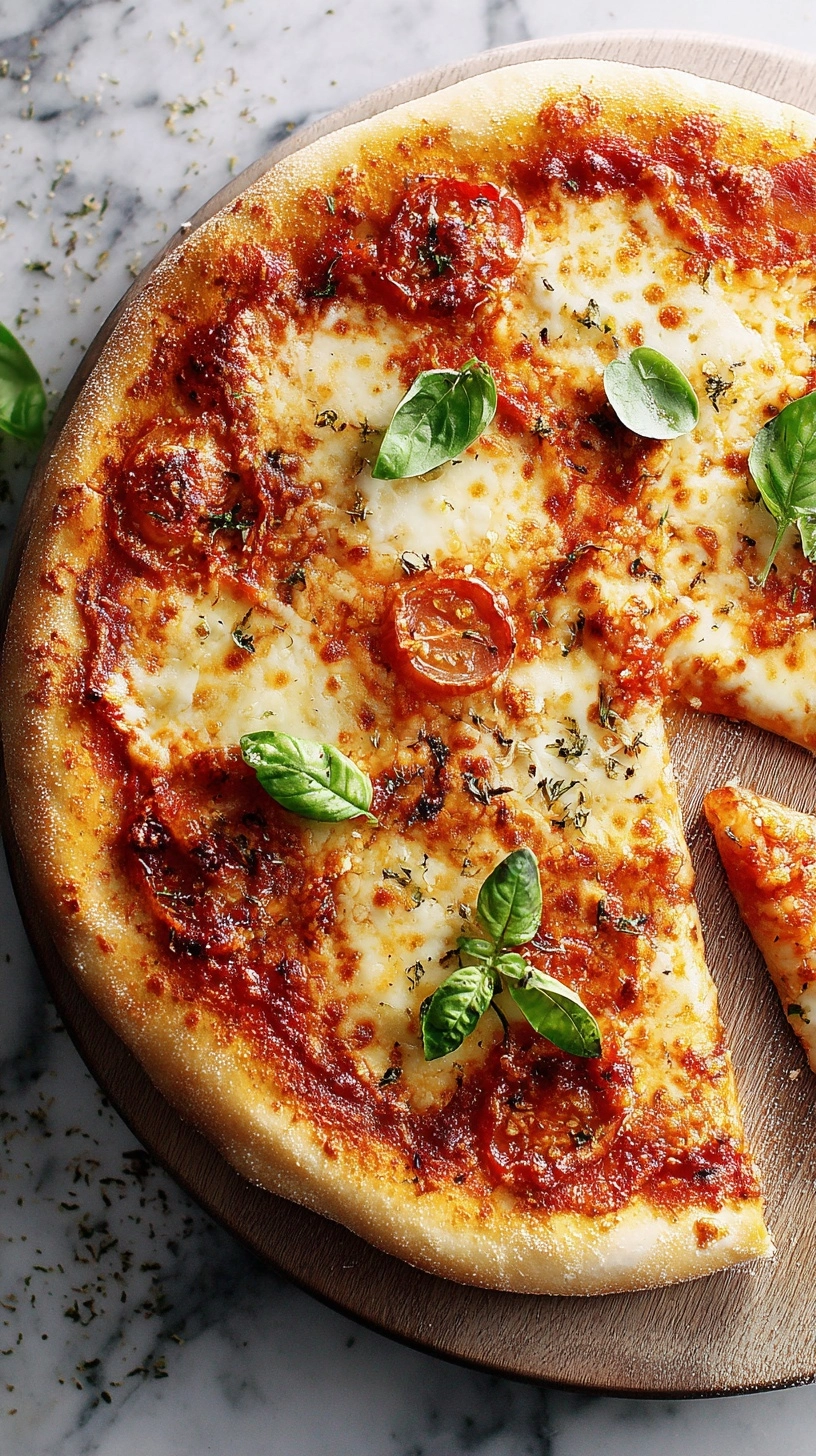
Refrigerate leftover Margarita pizza for up to 3 days in airtight containers, placing parchment paper between slices to prevent sticking. For optimal reheating, use a skillet over medium heat for 2-3 minutes to restore crust crispiness, then cover briefly to melt the cheese. Pizza dough can be prepared up to 24 hours ahead and refrigerated, actually improving flavor through extended fermentation. Freeze unbaked dough portions for up to 3 months—thaw overnight in the refrigerator before using.
FAQs
Q: Can I make Margarita pizza without a pizza stone?
A: Absolutely! Use an inverted baking sheet or cast-iron skillet preheated in the oven. The key is creating a hot surface that mimics professional pizza oven conditions.
Q: Why does my homemade pizza never taste like restaurant versions?
A: Professional ovens reach 800-900°F, while home ovens max out around 550°F. Compensate by using a pizza stone, preheating longer, and positioning your rack in the upper third of the oven.
Q: How do I prevent my Margarita pizza from becoming soggy?
A: Use less sauce, drain fresh mozzarella on paper towels before adding, and ensure your oven is properly preheated. Moisture control is crucial for crispy results.
Q: Can I freeze completed Margarita pizzas?
A: Yes! Freeze after baking and cooling completely. Reheat directly from frozen at 375°F for 10-12 minutes for best results.